

Are snap off graphics blades resistant to corrosion?
As a supplier of snap off graphics blades, I often get asked about the corrosion resistance of these essential tools. In the world of graphic design, sign - making, and various other industries that rely on precision cutting, the durability and performance of snap off blades are of utmost importance. Corrosion can significantly degrade the quality of a blade, leading to reduced cutting efficiency, shorter lifespan, and ultimately, increased costs for our customers. So, let's delve into the topic of whether snap off graphics blades are resistant to corrosion.
Understanding Snap Off Graphics Blades
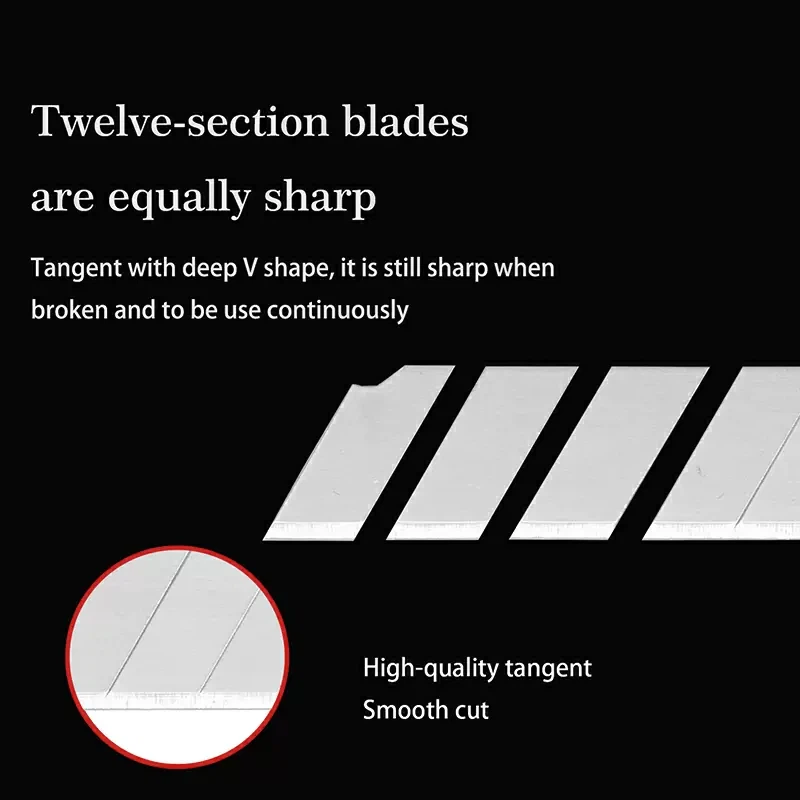
Snap off graphics blades are designed for clean, sharp cuts in a variety of materials such as vinyl, paper, cardboard, and thin plastics. They are typically made from high - carbon steel or stainless steel, which are known for their strength and ability to hold an edge. The snap - off feature allows users to break off a dull section of the blade and expose a fresh, sharp edge, extending the usable life of the blade.
Factors Affecting Corrosion Resistance
Material Composition
The material used in the manufacturing of snap off graphics blades plays a crucial role in their corrosion resistance. High - carbon steel blades are known for their excellent cutting performance. They can hold a very sharp edge, making them ideal for precision cutting tasks. However, high - carbon steel is more prone to corrosion compared to stainless steel. Stainless steel, on the other hand, contains chromium, which forms a passive oxide layer on the surface of the blade. This layer acts as a barrier, preventing oxygen and moisture from reaching the underlying metal and thus reducing the risk of corrosion.
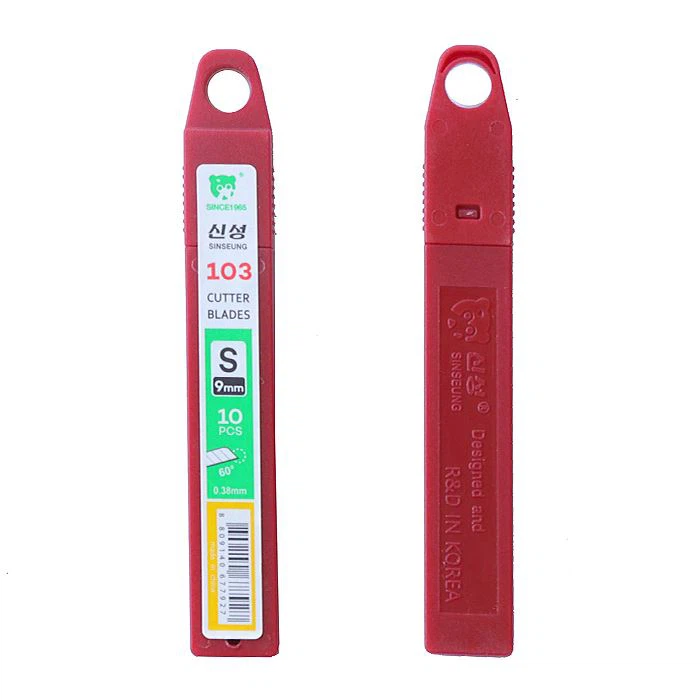
At our company, we offer a range of snap off graphics blades made from both high - carbon steel and stainless steel. Our Snap Off Replacement Blades are available in different materials to meet the diverse needs of our customers. For applications where corrosion is a major concern, our stainless - steel blades are an excellent choice.
Surface Treatment
In addition to the base material, the surface treatment of the blade can also enhance its corrosion resistance. Some blades are coated with a thin layer of protective material such as titanium nitride (TiN) or black oxide. These coatings not only provide a hard, wear - resistant surface but also act as a barrier against corrosion. The TiN coating, for example, is known for its high hardness and low friction coefficient, which can improve the cutting performance of the blade while protecting it from rust and corrosion.
Our Snap off Blades 9MM are available with different surface treatments. The black - oxide coated blades, in particular, offer good corrosion resistance along with a sleek, professional look.
Environmental Conditions
The environment in which the snap off graphics blades are used and stored also affects their corrosion resistance. Blades that are exposed to high humidity, saltwater, or corrosive chemicals are more likely to corrode. For example, in a marine environment or a printing shop where certain inks and solvents are used, the risk of corrosion is higher. To minimize the risk of corrosion, it is important to store the blades in a dry, clean place and to clean them regularly after use.
Testing Corrosion Resistance
To ensure the quality and corrosion resistance of our snap off graphics blades, we conduct rigorous testing. Our testing methods include salt - spray tests, where the blades are exposed to a salt - water mist for a specified period of time. After the test, the blades are inspected for signs of corrosion, such as rust spots or pitting. We also perform immersion tests in various corrosive solutions to simulate real - world conditions.
The results of our testing show that our stainless - steel blades and those with protective coatings have excellent corrosion resistance. Even after extended exposure to harsh environments, these blades show minimal signs of corrosion, ensuring long - lasting performance and reliability.
Benefits of Corrosion - Resistant Blades
Using corrosion - resistant snap off graphics blades offers several benefits. Firstly, it reduces the need for frequent blade replacement. Corroded blades can become dull quickly and may not cut as cleanly, leading to a decrease in productivity. By using corrosion - resistant blades, our customers can save time and money on blade replacements.
Secondly, corrosion - resistant blades maintain their cutting performance over a longer period of time. This is especially important in precision cutting applications, where a sharp, clean cut is essential. Our Leather Snap Blades, for example, are designed for cutting leather and other soft materials. The corrosion - resistant properties of these blades ensure that they can make precise cuts without tearing or fraying the material.
Conclusion
In conclusion, snap off graphics blades can be resistant to corrosion, depending on their material composition, surface treatment, and the environment in which they are used. At our company, we are committed to providing high - quality snap off graphics blades that offer excellent corrosion resistance. Whether you need blades for general graphic design work or for more demanding applications in harsh environments, we have the right solution for you.
If you are interested in learning more about our snap off graphics blades or would like to discuss your specific requirements, we encourage you to contact us. Our team of experts is ready to assist you in choosing the best blades for your needs and to provide you with competitive pricing and excellent customer service. Let's work together to ensure that your cutting tasks are completed efficiently and with the highest level of precision.
References
- Metals Handbook: Corrosion, ASM International
- "Corrosion Resistance of Stainless Steels", Journal of Materials Science
- "Surface Coatings for Corrosion Protection", Corrosion Science Journal