

Can a construction knife be used for electrical wire insulation cutting? This is a question that often arises among DIY enthusiasts, electricians, and construction workers. As a construction knife supplier, I've encountered this query numerous times, and today, I'll delve into the topic to provide a comprehensive answer.
Understanding the Basics of Construction Knives
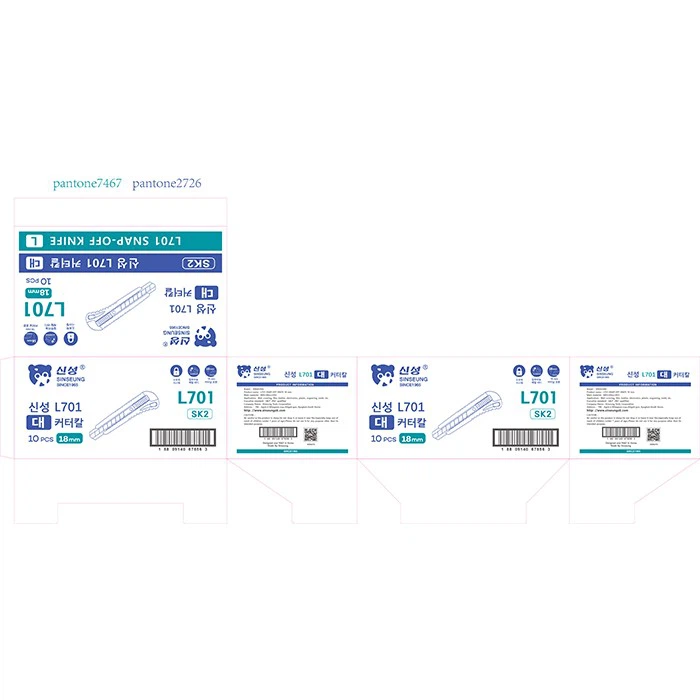
Construction knives are versatile tools designed for a wide range of cutting tasks in the construction industry. They come in various shapes and sizes, each tailored to specific applications. The 18mm Snap Off Utility Knife is a popular choice, known for its durability and precision. It features a retractable blade that can be snapped off when the cutting edge becomes dull, ensuring a consistently sharp cutting performance.
Another type of construction knife is the Construction Knife. This knife is typically larger and more robust, making it suitable for heavy-duty cutting tasks such as cutting through drywall, carpet, and insulation. It often has a fixed blade that provides greater stability and control during cutting.
The Wallpaper Knife is a specialized construction knife designed for cutting wallpaper. It has a narrow, pointed blade that allows for precise cutting around corners and edges. While it may not be as commonly used for electrical wire insulation cutting, it can still be a useful tool in certain situations.

The Properties of Electrical Wire Insulation
Before determining whether a construction knife can be used for electrical wire insulation cutting, it's important to understand the properties of electrical wire insulation. Electrical wire insulation is typically made of materials such as PVC (polyvinyl chloride), rubber, or Teflon. These materials are chosen for their electrical insulating properties, as well as their resistance to heat, chemicals, and mechanical stress.
PVC insulation is the most common type of insulation used in electrical wires. It is relatively inexpensive, flexible, and easy to work with. However, it can be prone to cracking and splitting over time, especially if it is exposed to high temperatures or harsh chemicals.
Rubber insulation is more durable and resistant to heat and chemicals than PVC insulation. It is often used in applications where the wire will be exposed to extreme conditions, such as in automotive wiring or industrial equipment. However, rubber insulation is more expensive and less flexible than PVC insulation.
Teflon insulation is the most expensive and highest-performing type of insulation used in electrical wires. It is extremely resistant to heat, chemicals, and mechanical stress, and it has excellent electrical insulating properties. Teflon insulation is often used in applications where the wire will be exposed to high temperatures or harsh chemicals, such as in aerospace or military equipment.
Can a Construction Knife Be Used for Electrical Wire Insulation Cutting?
The short answer is yes, a construction knife can be used for electrical wire insulation cutting. However, there are several factors to consider before using a construction knife for this purpose.
Safety First
First and foremost, safety should always be your top priority when working with electrical wires. Electrical wires carry a potentially dangerous electrical current, and any mistake or accident can result in serious injury or even death. Before attempting to cut electrical wire insulation, make sure the power is turned off at the source and that you are using the appropriate safety equipment, such as insulated gloves and safety glasses.
Blade Selection
The type of blade you choose for cutting electrical wire insulation is also important. A sharp, clean blade will make the cutting process easier and more precise, while a dull or damaged blade can cause the insulation to tear or fray, which can lead to electrical problems. For cutting PVC insulation, a standard utility knife blade will usually suffice. However, for cutting rubber or Teflon insulation, you may need a more specialized blade, such as a carbide-tipped blade or a ceramic blade.
Cutting Technique
The way you cut the electrical wire insulation is also crucial. To avoid damaging the wire or the insulation, it's important to use a gentle, controlled cutting motion. Start by making a small incision in the insulation at a slight angle, and then slowly and carefully cut along the length of the wire, applying just enough pressure to cut through the insulation without cutting into the wire itself. If you encounter any resistance or if the blade starts to slip, stop cutting and reposition the blade or adjust your cutting technique.
Potential Risks
While it is possible to use a construction knife for electrical wire insulation cutting, there are some potential risks associated with this method. One of the main risks is the possibility of accidentally cutting into the wire itself, which can cause a short circuit or other electrical problems. Another risk is the possibility of creating a jagged or uneven cut in the insulation, which can make it more difficult to reconnect the wire or to install a new connector.
Alternatives to Using a Construction Knife
If you're not comfortable using a construction knife for electrical wire insulation cutting, there are several alternatives available. One option is to use a wire stripper, which is a specialized tool designed specifically for removing the insulation from electrical wires. Wire strippers come in various sizes and styles, and they are typically very easy to use. Another option is to use a pair of scissors or a pair of wire cutters, although these tools may not be as precise as a wire stripper or a construction knife.
Conclusion
In conclusion, a construction knife can be used for electrical wire insulation cutting, but it's important to use the appropriate blade, cutting technique, and safety precautions. If you're not comfortable using a construction knife for this purpose, there are several alternatives available, such as a wire stripper or a pair of scissors. Remember, safety should always be your top priority when working with electrical wires, and any mistake or accident can have serious consequences.
If you're in the market for a high-quality construction knife or other cutting tools, please don't hesitate to contact us. We offer a wide range of construction knives and other cutting tools at competitive prices, and our knowledgeable staff is always available to help you find the right tool for your needs. Whether you're a DIY enthusiast, an electrician, or a construction worker, we have the tools and expertise to help you get the job done safely and efficiently.
References
- Electrical Wiring Handbook, 18th Edition, by Mike Holt
- National Electrical Code (NEC), 2020 Edition
- Electrical Safety Handbook, by the Occupational Safety and Health Administration (OSHA)