

Can a cutter snap off blade be used for cutting polycarbonate? This is a question that many professionals and DIY enthusiasts often ask. As a supplier of cutter snap off blades, I'm here to delve into this topic and provide you with a comprehensive answer.
Understanding Polycarbonate
Polycarbonate is a strong, lightweight, and transparent thermoplastic polymer. It has excellent impact resistance, optical clarity, and heat resistance, which makes it a popular choice in various industries. From automotive components and safety glasses to greenhouse panels and electronic device screens, polycarbonate is widely used. However, its unique properties also pose challenges when it comes to cutting.

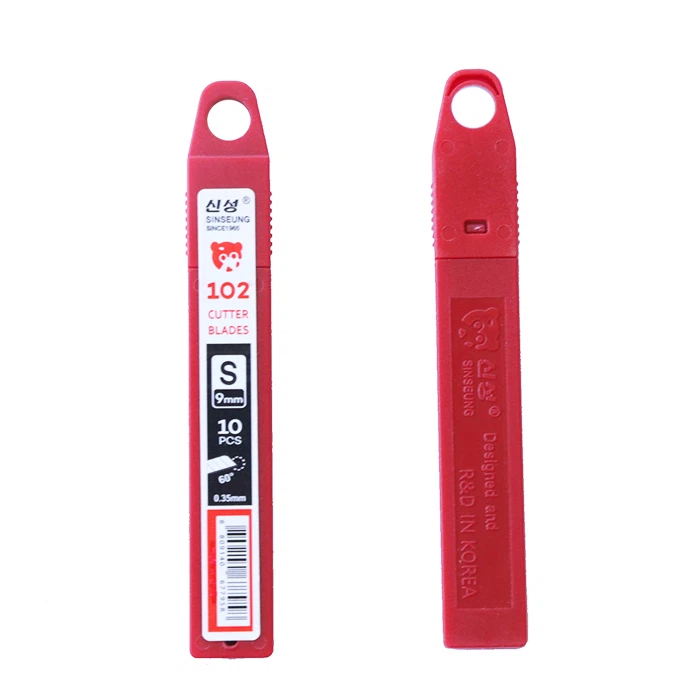
Characteristics of Cutter Snap Off Blades
Cutter snap off blades, such as the ones available at Cutter Snap Off Blade, are designed for precision cutting. They are typically made of high - carbon steel or other hard materials, which provide sharpness and durability. The snap - off feature allows users to break off the dull section of the blade when it becomes worn, exposing a fresh, sharp edge. This not only extends the blade's usable life but also ensures consistent cutting performance.
Feasibility of Using Cutter Snap Off Blades for Cutting Polycarbonate
- Advantages
- Precision: Cutter snap off blades can offer high precision cutting, which is crucial when working with polycarbonate, especially for applications where accurate dimensions are required. For example, when cutting polycarbonate sheets for a custom - made display case, a sharp snap off blade can make clean, straight cuts.
- Convenience: The snap - off feature means that you don't have to constantly replace the entire blade. This can save time and money, especially for large - scale cutting projects.
- Limitations
- Material Hardness: Polycarbonate is a relatively tough material. While cutter snap off blades are sharp, they may dull relatively quickly when cutting polycarbonate, especially if the polycarbonate has a high - impact grade. The hard polycarbonate can cause the blade edge to wear down, reducing its cutting efficiency.
- Chipping and Cracking: Polycarbonate is prone to chipping and cracking during cutting. If the blade is not sharp enough or if the cutting pressure is not applied evenly, it can lead to unsightly chips and cracks on the cut edge. This is a significant issue, especially for applications where a smooth, clean edge is required, such as in optical or aesthetic applications.
Tips for Using Cutter Snap Off Blades to Cut Polycarbonate
- Blade Selection
- Choose a high - quality cutter snap off blade. For example, Cutter Blades SK2 are made of SK2 steel, which offers better hardness and wear resistance compared to some other blades. This can help to reduce the frequency of blade dulling when cutting polycarbonate.
- Cutting Technique
- Use a straightedge or a cutting guide to ensure straight cuts. Apply even pressure during cutting to minimize the risk of chipping and cracking. Start with a light scoring cut to mark the cutting line, and then gradually increase the pressure to complete the cut.
- Lubrication can also be beneficial. Applying a small amount of cutting fluid or lubricant can reduce friction between the blade and the polycarbonate, which can help to keep the blade sharp for longer and prevent overheating of the material.
- Safety Precautions
- When cutting polycarbonate, wear appropriate safety gear, such as safety glasses and gloves. Polycarbonate chips can be sharp and may cause eye or skin injuries.
- Be aware of the static electricity generated during cutting. Polycarbonate is a good insulator, and static electricity can attract dust and debris, which may affect the cutting quality. Grounding the work area or using anti - static agents can help to mitigate this issue.
Comparison with Other Cutting Methods
- Laser Cutting
- Laser cutting offers extremely high precision and can cut complex shapes in polycarbonate. However, it requires expensive equipment and is not suitable for small - scale or on - site cutting. Cutter snap off blades, on the other hand, are more portable and cost - effective for simple, straight - line cuts.
- Saw Cutting
- Saw cutting can be used for thicker polycarbonate sheets. But it may produce more heat and vibration, which can cause melting and deformation of the polycarbonate. Cutter snap off blades generate less heat and vibration, resulting in cleaner cuts for thinner polycarbonate sheets.
Conclusion
In conclusion, a cutter snap off blade can be used for cutting polycarbonate, especially for small - scale projects or when precision straight - line cuts are required. However, it has its limitations, mainly related to blade durability and the risk of chipping and cracking. By choosing the right blade, using proper cutting techniques, and taking necessary safety precautions, you can achieve satisfactory results.
If you are interested in purchasing high - quality cutter snap off blades for your polycarbonate cutting needs, or if you have any questions about our products, feel free to reach out for a purchase negotiation. We are committed to providing you with the best cutting solutions.
References
- "Polycarbonate: Properties, Processing, and Applications" - A technical guide on polycarbonate materials.
- "Cutting Tools and Their Applications" - A comprehensive resource on different types of cutting tools and their uses.