

Can an art snap off blade be used for cutting plastic straws?
As a supplier of art snap off blades, I often get asked about the versatility of our products. One question that has come up recently is whether an art snap off blade can be used for cutting plastic straws. In this blog post, I'll explore this topic in detail, looking at the properties of art snap off blades and plastic straws, and considering the practicality and effectiveness of using the former to cut the latter.
Understanding Art Snap Off Blades
Art snap off blades are precision cutting tools designed for a variety of applications, particularly in the fields of art, crafts, and light-duty industrial work. These blades are characterized by their segmented design, which allows the user to snap off a dull or damaged section to expose a fresh, sharp edge. This feature ensures that the blade remains sharp for an extended period, reducing the need for frequent blade changes.
The blades are typically made from high - carbon steel or carbide, which provides excellent hardness and edge retention. They come in different sizes and shapes, with common widths ranging from 6mm to 12mm. The sharpness and durability of art snap off blades make them suitable for cutting through a wide range of materials, including paper, cardboard, vinyl, and thin plastics.
Properties of Plastic Straws
Plastic straws are made from various types of plastics, such as polypropylene (PP), polyethylene (PE), and polystyrene (PS). These plastics have different physical properties, but generally, they are flexible, lightweight, and have a relatively low melting point. The thickness of plastic straws can vary, but most are in the range of 0.2mm to 1mm.
The flexibility of plastic straws can pose a challenge when it comes to cutting. Unlike rigid materials, plastic straws tend to bend or deform under pressure, which can make it difficult to achieve a clean, straight cut. Additionally, some plastics may have a smooth surface, which can cause the blade to slip during cutting.
Can an Art Snap Off Blade Cut Plastic Straws?
The short answer is yes, an art snap off blade can be used to cut plastic straws. The sharp edge of the blade is capable of penetrating the plastic material and severing it. However, there are several factors to consider when using an art snap off blade for this purpose.
Advantages
- Sharpness: The sharp edge of an art snap off blade can easily cut through the thin plastic of a straw. This allows for relatively quick and precise cuts, especially when compared to using a dull or inappropriate cutting tool.
- Versatility: Art snap off blades are available in different sizes and shapes, which means you can choose the most suitable blade for the diameter and thickness of the plastic straw. For example, a narrower blade may be more precise for cutting thin straws, while a wider blade can cover more surface area and make cutting thicker straws easier.
- Cost - effective: Since art snap off blades can be snapped off to expose a new edge, they offer a cost - effective solution for cutting plastic straws. You don't have to replace the entire blade every time it dulls; simply snap off the used section and continue cutting.
Disadvantages
- Flexibility of Straws: As mentioned earlier, the flexibility of plastic straws can make it challenging to cut them with an art snap off blade. The straw may bend or deform during the cutting process, resulting in an uneven or jagged cut. To overcome this, it may be necessary to hold the straw firmly in place or use a cutting guide to ensure a straight cut.
- Blade Wear: Cutting plastic straws can cause wear on the art snap off blade. The plastic material may leave residue on the blade, which can dull the edge over time. Frequent use on plastic straws may require more frequent snapping off of the blade sections to maintain sharpness.
- Safety Concerns: When cutting plastic straws, there is a risk of the blade slipping and causing injury. It is important to use proper safety precautions, such as wearing gloves and using a stable cutting surface.
Tips for Cutting Plastic Straws with an Art Snap Off Blade
If you decide to use an art snap off blade to cut plastic straws, here are some tips to help you achieve the best results:
- Choose the Right Blade: Select a blade with an appropriate width for the size of the straw. A 9mm blade is a good all - purpose choice for most standard plastic straws. You can find a suitable Wallpaper Snap Off Blade or Cutter Snap Off Blade on our website.
- Secure the Straw: Use a clamp or a pair of pliers to hold the straw firmly in place. This will prevent it from moving or bending during cutting and help you achieve a cleaner cut.
- Apply Steady Pressure: When cutting, apply a steady, even pressure on the blade. Avoid using too much force, as this can cause the blade to break or the straw to deform.
- Snap Off the Blade Regularly: To maintain the sharpness of the blade, snap off the used section after every few cuts. This will ensure that you always have a fresh, sharp edge for cutting.
Conclusion
In conclusion, an art snap off blade can be used to cut plastic straws, but it has its advantages and disadvantages. The sharpness and versatility of the blade make it a viable option for this task, but the flexibility of plastic straws and the potential for blade wear need to be taken into account. By following the tips mentioned above, you can increase the chances of achieving a clean, precise cut.

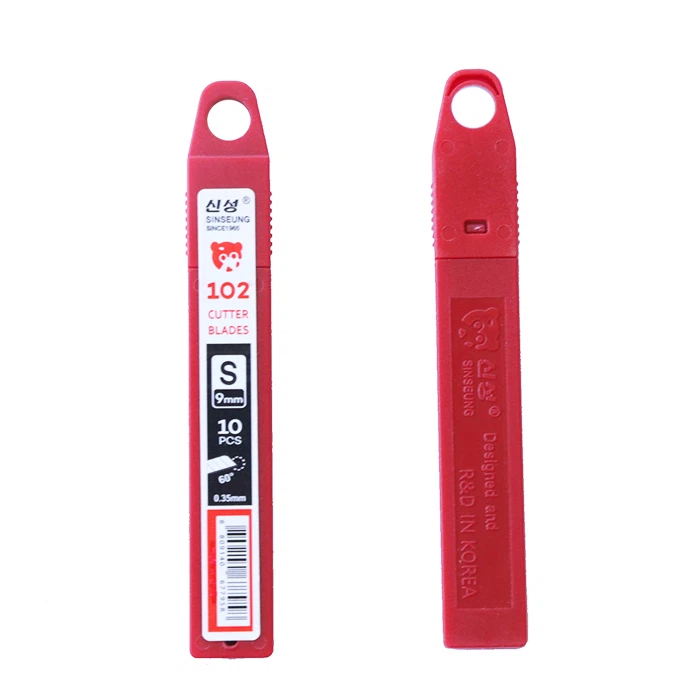
If you are in the market for high - quality art snap off blades, we are a leading supplier. Our blades are made from premium materials and are designed to provide long - lasting performance. We also offer a Snap Off Blade Cutter that is specifically designed to work with our snap off blades, providing a comfortable and efficient cutting experience.
If you have any questions or are interested in purchasing our art snap off blades, please feel free to contact us for a detailed discussion about your requirements. We look forward to working with you to meet your cutting needs.
References
- Plastics Industry Handbook. Wiley - Blackwell.
- Handbook of Cutting Tools. CRC Press.