

As a supplier of standard duty blades, I often encounter inquiries from customers about the suitability of our products for various cutting tasks. One question that comes up frequently is whether standard duty blades can be used for cutting fiberglass. In this blog post, I will delve into this topic, exploring the properties of fiberglass, the characteristics of standard duty blades, and the practical considerations when using these blades for fiberglass cutting.
Understanding Fiberglass
Fiberglass is a composite material made up of fine glass fibers embedded in a resin matrix. It is known for its high strength-to-weight ratio, corrosion resistance, and electrical insulation properties. These characteristics make fiberglass a popular choice in a wide range of applications, including automotive, aerospace, construction, and marine industries.
However, fiberglass also presents some challenges when it comes to cutting. The glass fibers are extremely hard and abrasive, which can quickly wear down cutting tools. Additionally, the resin matrix can be sticky and tend to clog the cutting edges, reducing the cutting efficiency and quality.
Characteristics of Standard Duty Blades
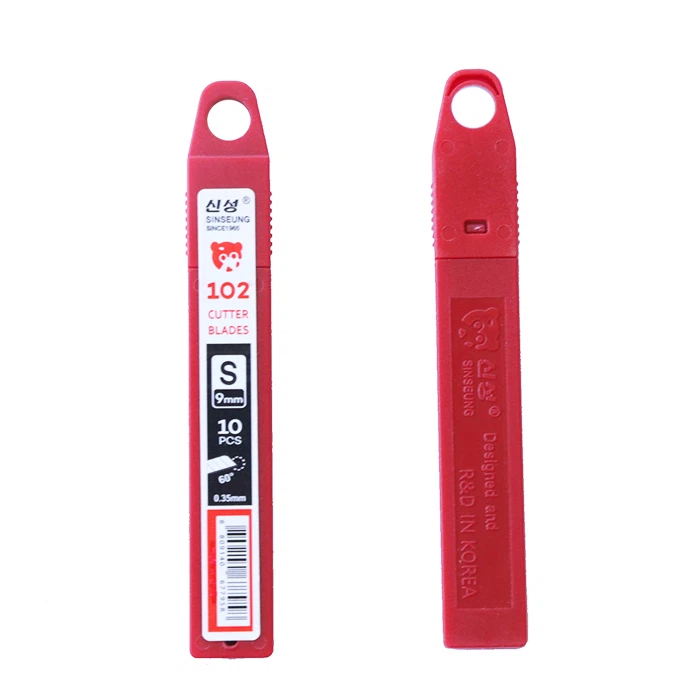
Standard duty blades are designed for general-purpose cutting tasks. They are typically made from high-carbon steel or alloy steel, which provides a good balance of hardness and toughness. These blades are suitable for cutting a variety of materials, such as paper, cardboard, plastic, and thin metals.
The cutting edges of standard duty blades are relatively sharp and can provide clean cuts on softer materials. However, they may not be as durable or resistant to wear as specialized blades designed for specific applications.
Can Standard Duty Blades Cut Fiberglass?
The short answer is yes, standard duty blades can be used for cutting fiberglass, but with some limitations. Here are some factors to consider:
Cutting Efficiency
Due to the abrasive nature of fiberglass, standard duty blades may wear down quickly during the cutting process. This can result in a decrease in cutting efficiency, as the blade becomes dull and requires more force to cut through the material. As a result, you may need to replace the blade more frequently compared to cutting softer materials.

Cutting Quality
The sharpness of standard duty blades may not be sufficient to provide a clean and precise cut on fiberglass. The glass fibers can fray or splinter, leading to a rough edge finish. This may not be acceptable for applications where a smooth and clean cut is required.
Blade Life
The lifespan of standard duty blades when cutting fiberglass is generally shorter than when cutting other materials. The constant abrasion from the glass fibers can cause the blade to lose its sharpness and eventually become unusable. To extend the blade life, it is recommended to use a lubricant or coolant during the cutting process to reduce friction and heat.
Safety Considerations
Cutting fiberglass can generate fine dust particles, which can be harmful if inhaled. When using standard duty blades to cut fiberglass, it is important to wear appropriate personal protective equipment, such as a dust mask, safety glasses, and gloves.
Tips for Using Standard Duty Blades to Cut Fiberglass
If you decide to use standard duty blades for cutting fiberglass, here are some tips to help you achieve better results:
Choose the Right Blade
Select a standard duty blade with a sharp and durable cutting edge. Look for blades that are specifically designed for cutting abrasive materials or have a coating to enhance their wear resistance.
Use a Lubricant or Coolant
Applying a lubricant or coolant to the cutting area can help reduce friction and heat, which can extend the blade life and improve the cutting quality. You can use a water-based lubricant or a specialized cutting fluid.
Make Multiple Passes
Instead of trying to cut through the fiberglass in one pass, make multiple light passes with the blade. This can help reduce the stress on the blade and provide a cleaner cut.
Replace the Blade Regularly
Monitor the condition of the blade during the cutting process. If you notice a decrease in cutting efficiency or a rough edge finish, it is time to replace the blade.
Conclusion
In conclusion, standard duty blades can be used for cutting fiberglass, but they may not be the most ideal choice for this application. While they can provide a basic level of cutting performance, they may wear down quickly and result in a less-than-perfect cut. If you need to cut fiberglass on a regular basis or require a high level of precision and quality, it is recommended to invest in specialized blades designed specifically for fiberglass cutting.
As a supplier of standard duty blades, we offer a range of products that are suitable for various cutting tasks. If you are interested in learning more about our products or have any questions about using standard duty blades for cutting fiberglass, please feel free to [contact us for procurement and negotiation]. We are committed to providing our customers with high-quality products and excellent customer service.
References
- "Fiberglass: Properties and Applications" - Composites World
- "Cutting Tools for Fiberglass" - Industrial Cutting Solutions Magazine
To explore our range of standard duty blades, you can visit the following links: