

Standard duty blades are widely used in various industries for cutting tasks. As a supplier of standard duty blades, I often receive inquiries from customers about whether these blades require maintenance. In this blog post, I will delve into this topic and provide a comprehensive answer based on scientific knowledge and practical experience.
Understanding Standard Duty Blades
Before discussing maintenance, it's essential to understand what standard duty blades are. Standard duty blades are designed for general - purpose cutting applications. They are commonly used in industries such as construction, automotive, leatherworking, and window tinting. These blades are made from high - quality materials like carbon steel or high - speed steel, which provide a good balance between sharpness and durability.

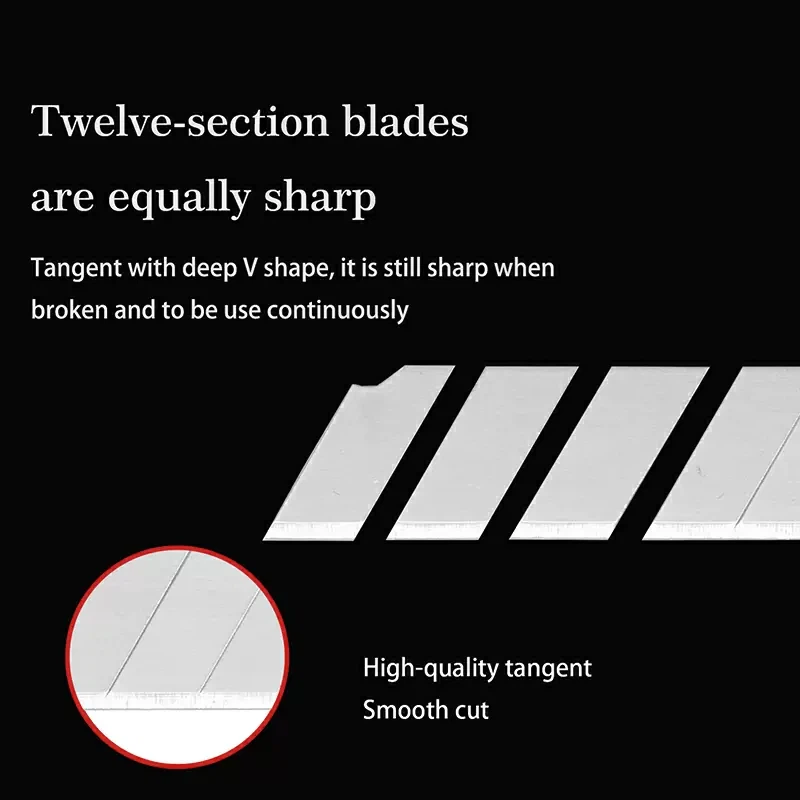
The Nature of Wear and Tear
All cutting tools, including standard duty blades, are subject to wear and tear during use. The cutting edge of a blade gradually dulls as it comes into contact with the material being cut. Friction, heat, and the physical properties of the material can all contribute to this wear. For example, when cutting abrasive materials like glass fiber or certain types of plastics, the blade will wear out more quickly compared to cutting softer materials like paper or fabric.
Reasons Why Maintenance is Necessary
- Maintaining Sharpness: A sharp blade is crucial for efficient cutting. When a blade is dull, it requires more force to cut through the material, which can lead to uneven cuts and may also damage the material being cut. Regular maintenance, such as sharpening, can keep the blade in optimal condition, ensuring clean and precise cuts.
- Extending Blade Lifespan: Proper maintenance can significantly extend the lifespan of a standard duty blade. By taking care of the blade, you can avoid premature wear and tear, which means you won't have to replace the blade as frequently. This can save both time and money in the long run.
- Ensuring Safety: A well - maintained blade is safer to use. A dull blade may slip during cutting, increasing the risk of accidents. By keeping the blade sharp and in good condition, you can reduce the likelihood of such incidents.
Types of Maintenance for Standard Duty Blades
- Cleaning: After each use, it's important to clean the blade to remove any debris or residue that may have accumulated on it. This can be done using a soft brush or a cloth. For blades used in wet or dirty environments, a mild detergent can be used to clean them. After cleaning, make sure to dry the blade thoroughly to prevent rusting.
- Sharpening: Sharpening is one of the most important maintenance tasks for standard duty blades. There are several methods for sharpening blades, including using a sharpening stone, a honing guide, or a professional sharpening machine. The frequency of sharpening depends on the frequency of use and the type of material being cut. For blades used frequently, it may be necessary to sharpen them every few uses.
- Lubrication: Lubricating the blade can reduce friction during cutting, which helps to prevent wear and tear. A light - weight oil can be applied to the blade before use. However, make sure not to use too much oil, as it can attract dust and debris.
Maintenance in Different Applications
- Window Tinting: In the window tinting industry, Snap - off Blade For Window Tints are commonly used. These blades need to be kept clean to ensure smooth cutting of the tint film. After each use, wipe the blade with a clean cloth to remove any adhesive residue. Sharpening may not be as frequent as in some other applications, but it's still important to check the sharpness regularly.
- Leatherworking: Leather Snap Blades are used for cutting leather. Leather can leave behind oils and debris on the blade. Cleaning the blade with a leather cleaner or a mild soap solution after use is recommended. Sharpening should be done when the blade starts to tear the leather instead of making clean cuts.
- General Cutting: For 9mm Snap Off Blades used in general cutting tasks, such as cutting cardboard or plastic sheets, regular cleaning and occasional sharpening are necessary. The blade should be inspected for any signs of damage, such as chips or cracks, and replaced if necessary.
Factors Affecting Maintenance Requirements
- Material Being Cut: As mentioned earlier, the type of material being cut has a significant impact on the maintenance requirements of the blade. Abrasive materials require more frequent sharpening and cleaning compared to softer materials.
- Cutting Frequency: Blades that are used more frequently will naturally require more maintenance. If a blade is used several times a day, it may need to be sharpened and cleaned more often than a blade that is used only occasionally.
- Cutting Conditions: The environment in which the blade is used also matters. Blades used in wet or humid conditions are more prone to rusting, so they need to be dried thoroughly after use and may require additional anti - rust treatments.
Conclusion
In conclusion, standard duty blades do require maintenance. Proper maintenance is essential for maintaining sharpness, extending the blade's lifespan, and ensuring safety. Whether you are using Snap - off Blade For Window Tints, 9mm Snap Off Blades, or Leather Snap Blades, following a regular maintenance routine can bring many benefits.
If you are in the market for high - quality standard duty blades or have any questions about blade maintenance, I encourage you to contact us for a procurement discussion. We are committed to providing the best products and advice to meet your cutting needs.
References
- "Cutting Tool Technology" by John A. Schey
- "Handbook of Machining with Cutting Tools" by Erkki O. Brinksmeier