

Maintaining an art snap off blade is crucial for both professional artists and DIY enthusiasts. As a supplier of art snap off blades, I understand the importance of keeping these tools in top - notch condition. In this blog, I'll share some effective ways to maintain your art snap off blade, ensuring its longevity and optimal performance.
1. Proper Storage
One of the first steps in maintaining an art snap off blade is proper storage. When not in use, it's essential to store the blade in a dry and clean environment. Moisture can cause the blade to rust, which not only dulls the cutting edge but also weakens the blade's structure. A simple plastic case or a dedicated tool holder can be an ideal storage solution. This protects the blade from dust, debris, and accidental impacts that could damage the blade.
For example, if you leave your art snap off blade lying around on a workbench where it can be exposed to spills or bumped into other tools, it's more likely to get damaged. By using a proper storage container, you create a safe space for the blade. When choosing a storage container, make sure it has compartments that can hold the blade securely, preventing it from moving around and getting chipped.
2. Regular Cleaning
Cleaning your art snap off blade regularly is another key aspect of maintenance. After each use, remove any debris, paint, or other materials that may have adhered to the blade. You can use a soft brush or a clean, dry cloth to gently wipe the blade. For stubborn residues, a mild solvent can be used, but be careful not to soak the blade for too long as it may affect the blade's coating.
Let's say you've been using the blade for a detailed art project involving oil - based paints. The paint can build up on the blade over time, making it less effective. By cleaning the blade with a cloth dampened with a suitable paint thinner, you can remove the paint and restore the blade's cutting ability. It's important to dry the blade thoroughly after cleaning to prevent rusting.
3. Correct Snapping Technique
Using the correct snapping technique is vital for the lifespan of your art snap off blade. When the cutting edge becomes dull, you need to snap off the used section to expose a fresh edge. However, improper snapping can cause the blade to break unevenly or damage the holder.
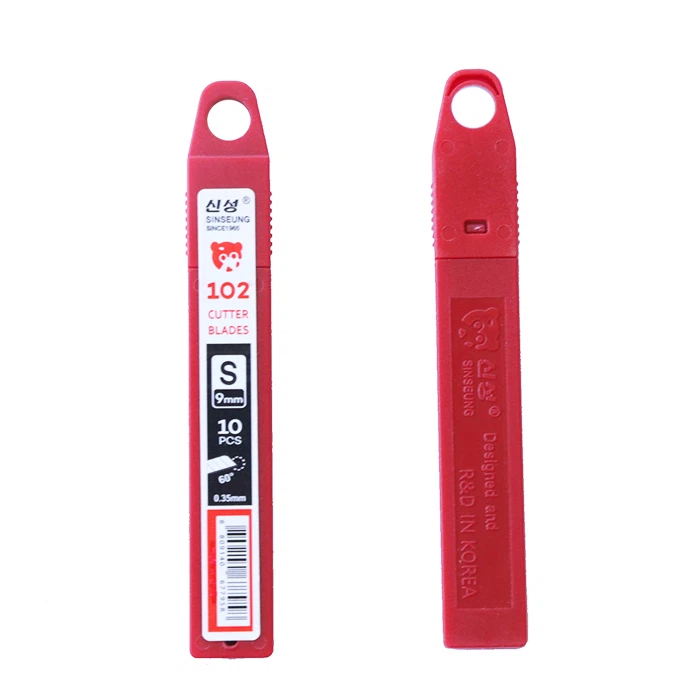

To snap off the blade correctly, align the blade with the snapping point on the holder. Apply even pressure along the length of the blade. Avoid using excessive force or bending the blade at an angle. For instance, if you try to snap off the blade by bending it too much, it may crack or break in an unexpected way, rendering the blade useless. By following the correct technique, you can ensure that each new cutting edge is sharp and ready for use.
4. Avoid Overloading
Don't overload the art snap off blade beyond its capacity. These blades are designed for specific cutting tasks, and using them for jobs that are too tough can cause premature wear and damage. For example, if you're using a snap off blade for delicate paper cutting, don't try to cut through thick cardboard or plastic with it.
If you need to cut through thicker materials, choose a more suitable blade or tool. Overloading the blade can cause the cutting edge to chip or dull quickly, reducing its effectiveness. By using the blade within its intended limits, you can extend its lifespan and maintain its performance.
5. Check the Holder
The holder of the art snap off blade also plays an important role in its maintenance. Regularly inspect the holder for any signs of damage, such as cracks or loose parts. A damaged holder can affect the stability of the blade and lead to uneven cutting.
If you notice any issues with the holder, replace it immediately. A well - functioning holder ensures that the blade is held securely in place, allowing for precise cutting. For example, if the holder has a loose screw, it can cause the blade to wobble during use, resulting in inaccurate cuts. By keeping the holder in good condition, you enhance the overall performance of the art snap off blade.
6. Lubrication
Although not all art snap off blades require lubrication, some may benefit from it. Lubrication can reduce friction between the blade and the holder, making it easier to snap off the used sections and ensuring smooth operation.
You can use a light machine oil or a specialized lubricant for this purpose. Apply a small amount of lubricant to the areas where the blade moves within the holder. However, be careful not to over - lubricate as it can attract dust and debris. For example, if you're using a blade that has a sliding mechanism in the holder, a little lubrication can make the sliding action much smoother.
7. Use Quality Blades
As a supplier, I always emphasize the importance of using quality art snap off blades. High - quality blades are made from better materials and have superior coatings, which make them more durable and resistant to wear.
When you invest in quality blades, you're more likely to get a longer lifespan and better performance. For example, a Snap-off Blade For Window Tints made from high - carbon steel will be sharper and last longer than a cheaper, low - quality alternative. Quality blades also tend to have more precise snapping points, making it easier to get a clean break when replacing the cutting edge.
8. Training and Education
Proper training and education on the use and maintenance of art snap off blades can go a long way. If you're a professional artist or a business that uses these blades, provide training to your staff on the correct techniques.
For DIY enthusiasts, there are many online resources and tutorials available. By learning the best practices, you can avoid common mistakes that can damage the blade. For example, understanding how to choose the right blade for a particular task can prevent over - use and premature wear.
9. Monitor Blade Performance
Keep an eye on the performance of your art snap off blade. If you notice that the blade is not cutting as smoothly as it used to, or if it's leaving rough edges, it may be time to snap off a new section or replace the blade.
Regularly evaluating the blade's performance allows you to address any issues promptly. For instance, if you're working on a project and the blade starts to tear the material instead of cutting it cleanly, it's a sign that the cutting edge is dull and needs to be replaced.
10. Protect the Blade During Transport
If you need to transport your art snap off blade, take extra precautions to protect it. Use a padded case or a blade guard to prevent the blade from getting damaged during transit.
For example, if you're traveling to an art exhibition or a workshop, a good quality blade guard can prevent the blade from being jostled around and getting chipped. A padded case also provides additional protection against impacts.
In conclusion, maintaining an art snap off blade involves a combination of proper storage, regular cleaning, correct usage techniques, and using quality products. By following these tips, you can ensure that your art snap off blade remains in excellent condition, providing you with sharp and precise cuts for all your artistic projects.
If you're interested in purchasing high - quality art snap off blades, such as Cutter Snap Off Blade or Leather Snap Blades, feel free to reach out to us for more information and to discuss your specific requirements. Our team of experts is always ready to assist you in finding the perfect blade for your needs.
References
- "Tool Maintenance Handbook" - A comprehensive guide on maintaining various tools, including snap off blades.
- Industry research reports on the manufacturing and performance of art snap off blades.