

When it comes to the world of cutting tools, a high - quality cutter blade is indispensable. As a supplier of 18mm cutter blades, I understand the importance of ensuring that our products meet the highest standards of quality. In this blog, I will share some effective methods on how to check the quality of a cutter blade 18mm.
Visual Inspection
The first step in checking the quality of a cutter blade 18mm is a thorough visual inspection. Start by examining the blade's surface. A high - quality blade should have a smooth finish without any visible scratches, dents, or pits. These surface imperfections can not only affect the blade's appearance but also its performance. Scratches, for example, can act as stress concentrators, which may lead to premature blade failure during use.
Inspect the edges of the blade. The cutting edge should be straight and sharp. Any signs of unevenness or dullness can indicate a manufacturing defect or poor quality control. A well - made 18mm cutter blade will have a consistent bevel angle along the entire edge. This ensures uniform cutting performance and reduces the risk of the blade getting stuck or tearing the material being cut.
Check the blade's overall shape. It should conform to the specified dimensions accurately. Deviations from the standard 18mm size can cause problems when the blade is used in a compatible tool. For instance, if the blade is too wide or too narrow, it may not fit properly in the cutter, leading to instability and inefficient cutting.
Material Quality
The material used in the production of the cutter blade 18mm plays a crucial role in determining its quality. High - grade materials are more likely to provide better durability, sharpness, and resistance to wear.
One of the most common materials for cutter blades is SK2 steel. Our SK2 Utility Knife Retractable Blades are made from this premium material. SK2 steel is known for its high carbon content, which gives the blade excellent hardness and edge - holding ability. To check the material quality, you can look for signs of proper heat treatment. A well - heat - treated blade will have a uniform color and hardness. You can perform a simple file test on a non - critical part of the blade. If the file slides over the blade without leaving any marks, it indicates that the blade has a high level of hardness.
Another aspect to consider is the corrosion resistance of the material. Cutter blades are often exposed to various environmental conditions, and corrosion can significantly reduce their lifespan. A quality 18mm cutter blade should have a protective coating or be made from a corrosion - resistant material. For example, some blades are coated with titanium nitride, which not only enhances corrosion resistance but also improves the blade's hardness and cutting performance.
Cutting Performance
The ultimate test of a cutter blade's quality is its cutting performance. To evaluate this, you can perform a series of cutting tests on different materials.
Start with a soft material such as paper or cardboard. A high - quality 18mm cutter blade should be able to cut through these materials cleanly and effortlessly. The cut should be straight and smooth, without any fraying or tearing. If the blade struggles to cut through the material or leaves a ragged edge, it may be a sign of dullness or poor blade geometry.
Next, test the blade on a harder material such as plastic or thin metal. The blade should maintain its sharpness and cutting efficiency. It should be able to make precise cuts without excessive force. If the blade bends or chips during the cutting process, it indicates a lack of strength and durability.
Pay attention to the blade's stability during cutting. A good quality cutter blade should fit securely in the cutter and not wobble or vibrate. This ensures accurate and consistent cutting results.
Edge Retention
Edge retention is an important factor in determining the quality of a cutter blade 18mm. A blade that can maintain its sharpness over an extended period of use is more cost - effective and efficient.
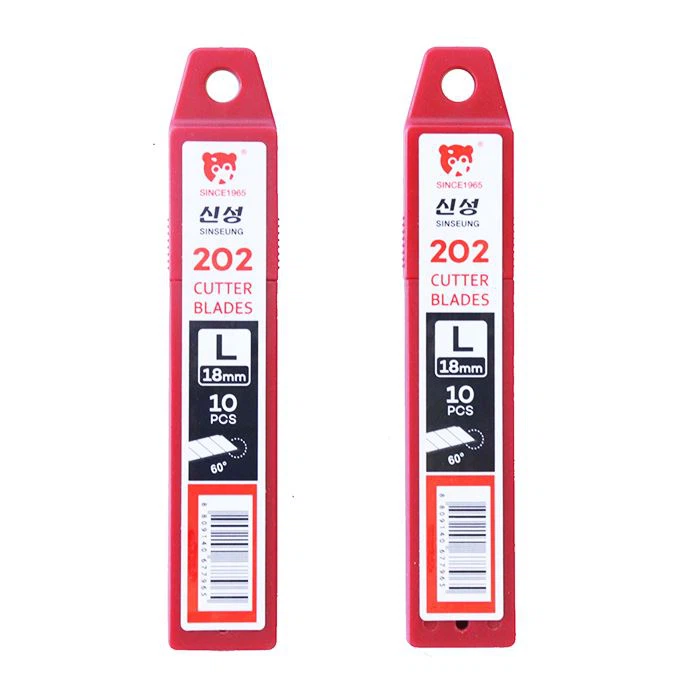

To test edge retention, you can perform a series of repeated cuts on the same material. Count the number of cuts the blade can make before it starts to lose its sharpness. A high - quality blade should be able to make a significant number of cuts without requiring frequent sharpening.
You can also compare the edge retention of different blades. This can help you identify the best - performing blades in the market. Our 18mm Replacement Blades are designed to have excellent edge retention, ensuring long - lasting performance.
Flexibility and Strength
A cutter blade 18mm needs to have the right balance of flexibility and strength. Flexibility allows the blade to adapt to different cutting surfaces and reduces the risk of breakage. On the other hand, strength is necessary to withstand the forces applied during cutting.
To check the flexibility of the blade, you can gently bend it within its recommended limits. A good quality blade should be able to bend slightly without breaking. However, if the blade breaks easily or shows signs of cracking when bent, it indicates poor material quality or improper manufacturing.
To test the strength of the blade, you can perform a cutting test on a tough material. The blade should be able to withstand the pressure without deforming or breaking. A strong blade will maintain its shape and cutting performance even under heavy - duty use.
Compatibility
Compatibility is another important aspect to consider when checking the quality of a cutter blade 18mm. The blade should be compatible with the cutter it is intended to be used with.
Check the blade's mounting mechanism. It should fit securely into the cutter without any play or looseness. A loose - fitting blade can be dangerous and may cause inaccurate cutting. The blade should also be easy to install and remove from the cutter.
Make sure that the blade's dimensions and shape are compatible with the cutter's design. Some cutters are designed for specific blade sizes and shapes, and using an incompatible blade can lead to poor performance and potential damage to the cutter.
Customer Feedback
Customer feedback is a valuable source of information when it comes to assessing the quality of a cutter blade 18mm. Look for reviews and testimonials from other users who have purchased and used the blades.
Positive feedback regarding the blade's sharpness, durability, and cutting performance is a good indication of its quality. On the other hand, negative feedback such as complaints about premature dullness, breakage, or poor compatibility should be taken seriously.
At our company, we value customer feedback and use it to continuously improve the quality of our Cutter Blade 18mm. We encourage our customers to share their experiences with our products so that we can address any issues and ensure that our blades meet the highest standards.
Conclusion
Checking the quality of a cutter blade 18mm involves a comprehensive assessment of its visual appearance, material quality, cutting performance, edge retention, flexibility, strength, compatibility, and customer feedback. By using the methods outlined in this blog, you can make an informed decision when purchasing cutter blades.
As a trusted supplier of 18mm cutter blades, we are committed to providing high - quality products that meet the diverse needs of our customers. If you are interested in purchasing our cutter blades or have any questions about their quality, we invite you to contact us for a procurement discussion. We look forward to serving you and helping you find the best cutting solutions for your needs.
References
- "Cutting Tool Engineering Handbook", Industrial Press Inc.
- "Materials Science for Engineers", Pearson Education