

Hey there! As a building cutter knife supplier, I've seen firsthand how a good cutter knife can make a world of difference in your construction or DIY projects. One of the most common challenges folks face is cutting straight lines. In this blog, I'll share some tips and tricks on how to use a building cutter knife to cut those perfect straight lines.
Choosing the Right Knife
First things first, you need to pick the right building cutter knife for the job. We offer a great range of knives, like the Snap Off Knife SK2 25MM. This knife is designed for durability and precision. The snap - off feature allows you to expose a fresh blade when the current one gets dull, ensuring a clean cut every time.
Another option is the 25mm Snap Off Utility Knife. It's lightweight and easy to handle, making it perfect for long - term use. And if you're looking for something more robust, the 25 mm Metal Body Snap - Off Utility Knife is a great choice. The metal body provides extra strength and stability.
Preparing Your Workspace
Before you start cutting, you need to set up your workspace properly. Clear the area of any clutter or debris that could get in your way. Make sure your work surface is flat and stable. This will prevent the knife from slipping and help you maintain a straight line.
If you're cutting on a large piece of material, like drywall or plywood, it's a good idea to secure it in place. You can use clamps or weights to hold the material steady. This way, you won't have to worry about it moving while you're cutting.
Marking Your Line
Marking the line you want to cut is crucial for getting a straight cut. Use a straightedge, like a ruler or a level, to draw a straight line on the material. Make sure the line is visible and dark enough for you to follow. You can use a pencil or a marker, depending on the type of material you're cutting.
If you're cutting a long line, it's a good idea to mark several points along the line and then connect them. This will help you keep the line straight over a longer distance.
Holding the Knife Correctly
The way you hold the knife can have a big impact on the quality of your cut. Hold the knife firmly but not too tightly. You want to have enough control to guide the knife along the line, but you also don't want to tire your hand out too quickly.
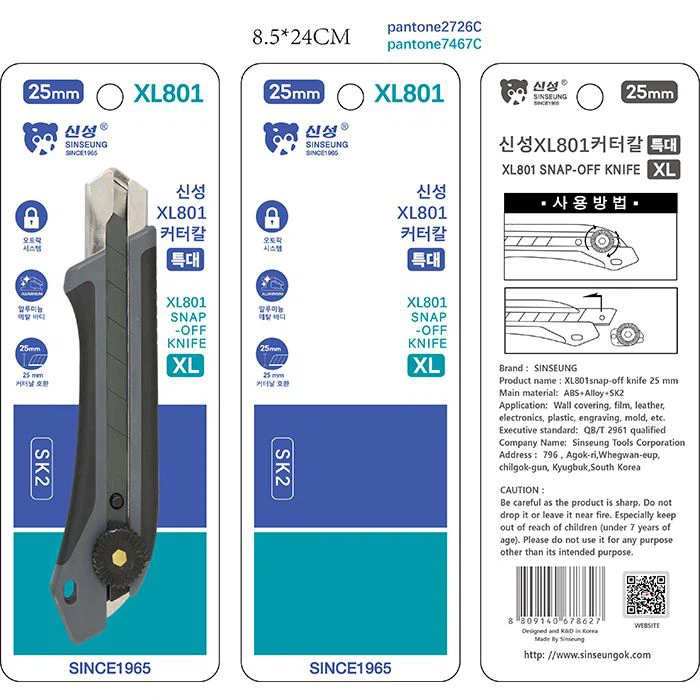

For most building cutter knives, the best way to hold it is with your thumb on one side of the handle and your fingers on the other. This gives you a good grip and allows you to apply even pressure as you cut.
Making the Cut
Once you've marked your line and prepared your workspace, it's time to make the cut. Start at one end of the line and place the blade of the knife at the beginning of the line. Apply gentle pressure to the knife and start moving it along the line.
Keep your wrist straight and your arm steady. Don't try to rush the cut. Take your time and let the knife do the work. If you're cutting through a thick material, you may need to make multiple passes to cut all the way through.
As you cut, make sure the blade is following the line closely. If the blade starts to veer off course, stop cutting and re - position the knife. It's better to take a little extra time to correct the cut than to end up with a crooked line.
Maintaining the Knife
To ensure that your knife continues to cut straight lines, you need to maintain it properly. Keep the blade sharp by using the snap - off feature to expose a fresh blade when it gets dull. You can also clean the blade regularly to remove any debris or residue that may build up on it.
Store the knife in a safe place when you're not using it. Make sure the blade is retracted to prevent any accidents.
Troubleshooting
Sometimes, you may run into some problems when trying to cut straight lines. Here are some common issues and how to fix them:
- The blade is skipping: This could be because the blade is dull or the material is too hard. Try exposing a fresh blade or using a different type of blade if possible.
- The cut is jagged: This could be due to a dull blade or uneven pressure. Make sure the blade is sharp and apply even pressure as you cut.
- The line is not straight: Check your marking and make sure you're following it correctly. You may also need to adjust your hand position or the way you're holding the knife.
Conclusion
Cutting straight lines with a building cutter knife takes practice, but with the right techniques and the right knife, you can achieve great results. Remember to choose the right knife for the job, prepare your workspace, mark your line carefully, hold the knife correctly, and maintain the knife properly.
If you're in the market for a high - quality building cutter knife, we've got you covered. Our Snap Off Knife SK2 25MM, 25mm Snap Off Utility Knife, and 25 mm Metal Body Snap - Off Utility Knife are all top - notch products that will help you get the job done right.
If you have any questions or if you're interested in purchasing our products, feel free to reach out to us. We're always happy to help you find the right knife for your needs and answer any questions you may have.
References
- General knowledge from years of experience as a building cutter knife supplier.
- Industry best practices for using utility knives.