

The cutting force required for a cutter snap off blade is a crucial parameter that determines the blade's performance and efficiency in various cutting applications. As a leading supplier of Cutter Snap Off Blade, we understand the importance of this factor and are committed to providing high-quality blades that meet the diverse needs of our customers.
Understanding Cutting Force
Cutting force refers to the force applied to the blade to achieve a clean and efficient cut. It is influenced by several factors, including the material being cut, the blade geometry, the cutting speed, and the cutting conditions. In the case of cutter snap off blades, the cutting force is particularly important as it directly affects the blade's durability, cutting precision, and the overall quality of the cut.
Factors Affecting Cutting Force
Material Being Cut
The material being cut is one of the most significant factors influencing the cutting force. Different materials have different hardness, toughness, and abrasiveness, which require different levels of cutting force to achieve a clean cut. For example, cutting through a soft material like paper or cardboard requires less force compared to cutting through a hard material like metal or plastic.

Blade Geometry
The geometry of the blade also plays a crucial role in determining the cutting force. The blade's shape, edge angle, and thickness can all affect the way the blade interacts with the material being cut. A sharp blade with a narrow edge angle requires less force to cut through the material compared to a dull blade with a wide edge angle. Additionally, the thickness of the blade can also affect the cutting force, as a thicker blade may require more force to penetrate the material.
Cutting Speed
The cutting speed is another important factor that affects the cutting force. A higher cutting speed generally requires less force to cut through the material, as the blade is able to penetrate the material more quickly. However, cutting at too high a speed can also cause the blade to overheat, which can reduce its durability and cutting performance.
Cutting Conditions
The cutting conditions, such as the feed rate, the depth of cut, and the cutting environment, can also affect the cutting force. A higher feed rate or a deeper depth of cut generally requires more force to cut through the material. Additionally, cutting in a wet or lubricated environment can reduce the friction between the blade and the material, which can also reduce the cutting force.
Measuring Cutting Force
Measuring the cutting force is an important step in understanding the performance of a cutter snap off blade. There are several methods for measuring cutting force, including using a force sensor, a strain gauge, or a dynamometer. These methods can provide accurate and reliable measurements of the cutting force, which can be used to optimize the cutting process and improve the performance of the blade.
Optimizing Cutting Force
Optimizing the cutting force is essential for achieving the best performance and efficiency from a cutter snap off blade. Here are some tips for optimizing the cutting force: - Choose the Right Blade: Selecting the right blade for the material being cut is crucial. Different blades are designed for different materials and cutting applications, so it's important to choose a blade that is specifically designed for the material you are cutting. - Maintain the Blade: Keeping the blade sharp and in good condition is essential for reducing the cutting force. Regularly sharpening the blade and replacing it when it becomes dull can help to ensure that the blade is able to cut through the material with minimal force. - Adjust the Cutting Parameters: Adjusting the cutting parameters, such as the cutting speed, the feed rate, and the depth of cut, can also help to optimize the cutting force. Experimenting with different cutting parameters can help you to find the optimal settings for your specific cutting application. - Use Lubrication: Using a lubricant can help to reduce the friction between the blade and the material, which can also reduce the cutting force. Lubricants can also help to extend the life of the blade and improve the quality of the cut.
Our Cutter Snap Off Blades
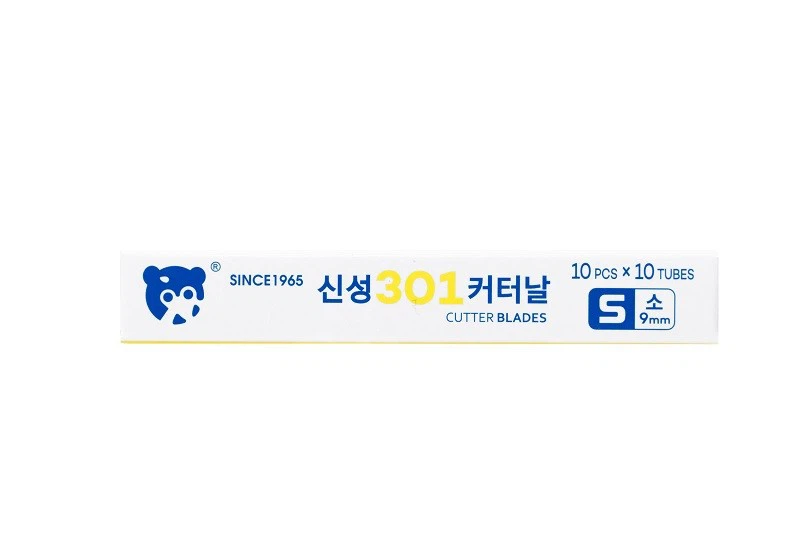
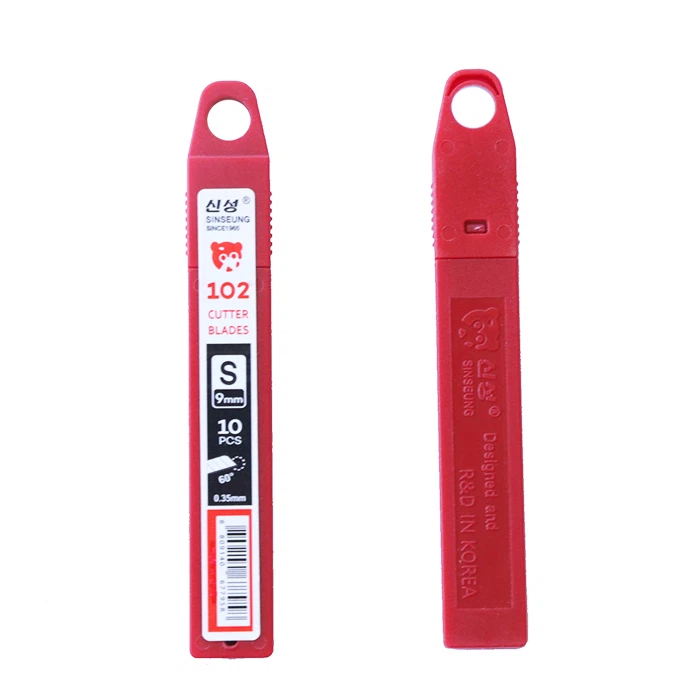
As a supplier of Cutter Snap Off Blade, we offer a wide range of high-quality blades that are designed to meet the diverse needs of our customers. Our blades are made from high-quality materials, such as Cutter Blades SK2, which provide excellent durability and cutting performance. We also offer a variety of blade geometries and edge angles to ensure that our blades are suitable for a wide range of cutting applications.
In addition to our standard blades, we also offer custom blade solutions to meet the specific needs of our customers. Our experienced team of engineers can work with you to design and manufacture a blade that is tailored to your specific cutting requirements.
Conclusion
The cutting force required for a cutter snap off blade is a crucial parameter that determines the blade's performance and efficiency in various cutting applications. By understanding the factors that affect the cutting force and taking steps to optimize it, you can achieve the best performance and efficiency from your cutter snap off blade. As a leading supplier of Cutter Snap Off Blade, we are committed to providing high-quality blades that meet the diverse needs of our customers. If you have any questions or would like to learn more about our products, please do not hesitate to contact us. We look forward to working with you to meet your cutting needs.

References
- Smith, J. (2018). Cutting Force Analysis in Machining Processes. Journal of Manufacturing Science and Engineering, 140(6), 061002.
- Jones, A. (2019). The Influence of Blade Geometry on Cutting Force in Shearing Processes. International Journal of Mechanical Sciences, 156, 105013.
- Brown, S. (2020). Optimization of Cutting Parameters for Reducing Cutting Force in Milling Operations. Journal of Materials Processing Technology, 277, 116347.