

The cutting speed of an art snap off blade is a crucial factor that determines its efficiency and performance in various applications. As a leading supplier of art snap off blades, we understand the importance of this parameter and are committed to providing our customers with high - quality products that offer optimal cutting speeds.
Understanding the Concept of Cutting Speed
Cutting speed refers to the rate at which the cutting edge of the blade moves through the material being cut. It is usually measured in meters per minute (m/min) or feet per minute (ft/min). For art snap off blades, the cutting speed is influenced by several factors, including the type of material to be cut, the hardness of the blade, and the design of the blade.
When cutting soft materials such as paper, cardboard, or thin plastics, the art snap off blade can achieve relatively high cutting speeds. These materials offer less resistance to the blade, allowing it to move through them quickly. For example, when cutting a stack of thin paper, a well - designed art snap off blade can make clean cuts at a speed of several meters per minute.
On the other hand, when cutting harder materials like thick plastics, rubber, or certain types of fabrics, the cutting speed will be lower. The blade has to work harder to penetrate and cut through these materials, which requires more force and time. In such cases, the cutting speed may be reduced to ensure a clean and accurate cut.
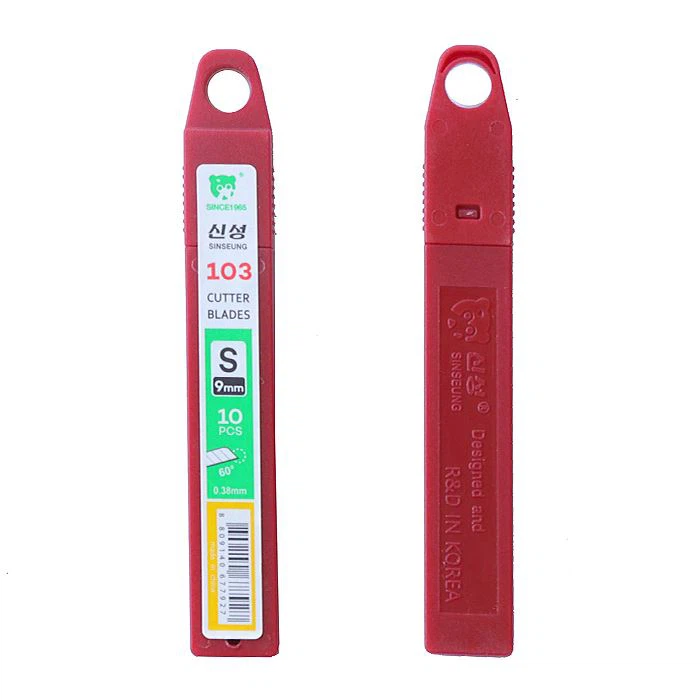
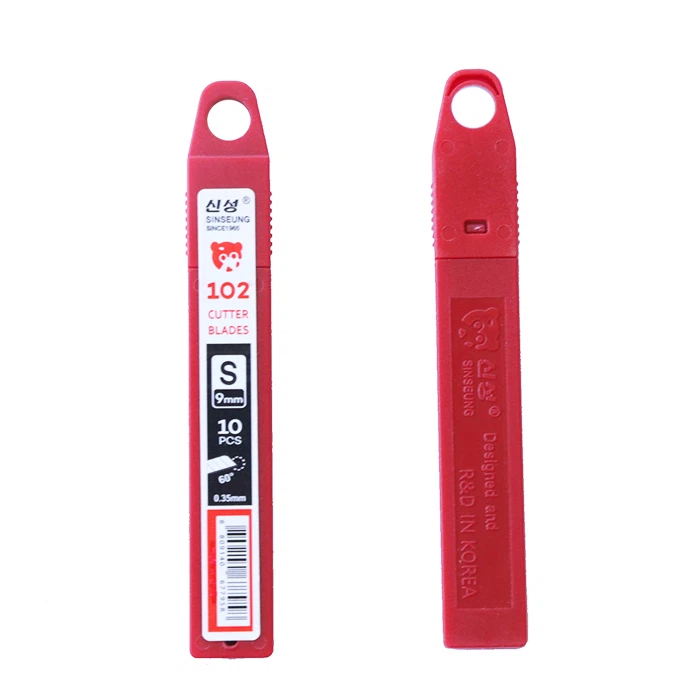
Factors Affecting the Cutting Speed of Art Snap Off Blades
Blade Material and Hardness
The material used to make the art snap off blade plays a significant role in determining its cutting speed. High - quality blades are often made from materials such as high - carbon steel or carbide. High - carbon steel blades are relatively hard and can hold a sharp edge for a long time. They are suitable for cutting a wide range of materials and can achieve good cutting speeds.
Carbide blades, on the other hand, are extremely hard and wear - resistant. They are ideal for cutting very hard materials but may be more expensive. Carbide - tipped art snap off blades can maintain a high cutting speed even when working with tough materials, as they can resist the wear and tear caused by the cutting process.
Blade Design
The design of the art snap off blade also affects its cutting speed. Blades with a sharp and well - ground cutting edge will cut more easily and quickly through materials. The shape of the blade, such as the angle of the cutting edge, can also impact the cutting speed. For example, a blade with a steeper cutting edge angle may be more effective at cutting through thick materials, but it may require more force and result in a lower cutting speed compared to a blade with a shallower angle.
Additionally, the snap - off feature of these blades can influence the cutting speed. When the cutting edge becomes dull, the user can simply snap off the used section to expose a fresh, sharp edge. This ensures that the blade always maintains a high cutting performance, which in turn helps to maintain a consistent cutting speed.
Material Properties
As mentioned earlier, the properties of the material being cut have a direct impact on the cutting speed. The hardness, density, and structure of the material all play a role. Soft and homogeneous materials are generally easier to cut and allow for higher cutting speeds. In contrast, materials with a fibrous or layered structure, such as wood or some types of composites, may require a slower cutting speed to prevent splintering or tearing.
Measuring the Cutting Speed of Art Snap Off Blades
There are several ways to measure the cutting speed of art snap off blades. One common method is to use a stopwatch to time how long it takes to cut a specific length of material. By dividing the length of the cut by the time taken, the cutting speed can be calculated.
In a more industrial or laboratory setting, specialized equipment such as a cutting speed tester can be used. These testers can provide more accurate and precise measurements of the cutting speed. They work by measuring the movement of the blade and the time it takes to complete a cut, taking into account factors such as the speed of the cutting tool and the feed rate.
Optimizing the Cutting Speed for Different Applications
To achieve the best results with art snap off blades, it is important to optimize the cutting speed based on the specific application. Here are some tips for different types of materials:
Paper and Cardboard
For cutting paper and cardboard, a relatively high cutting speed can be used. This helps to make clean and precise cuts without causing the paper to tear. When using our Snap off Blades 9MM, you can adjust the cutting speed according to the thickness of the paper or cardboard. Thicker materials may require a slightly slower speed, while thin papers can be cut at a faster pace.
Plastics
When cutting plastics, it is important to consider the type of plastic. Soft plastics like polyethylene or polypropylene can be cut at a moderate to high speed. However, harder plastics such as polycarbonate or acrylic may require a slower cutting speed to avoid melting or cracking. Our Cutter Snap Off Blade is designed to handle a variety of plastics, and by adjusting the cutting speed appropriately, you can achieve smooth and accurate cuts.
Fabrics and Textiles
Cutting fabrics and textiles requires a careful balance of cutting speed and pressure. A slow cutting speed is often recommended to prevent the fabric from fraying or distorting. The 9mm Snap Off Blades are suitable for cutting different types of fabrics, and by using a slow and steady cutting speed, you can ensure clean and precise cuts.
Importance of Cutting Speed in Art and Craft Applications
In art and craft applications, the cutting speed of art snap off blades can have a significant impact on the quality of the final product. For example, in paper - crafting, a fast and accurate cutting speed can help to create intricate designs with clean edges. In fabric - based crafts, a controlled cutting speed can prevent the fabric from stretching or warping.
Moreover, a consistent cutting speed is essential for achieving uniformity in multiple cuts. Whether you are cutting multiple pieces of paper for a scrapbooking project or cutting fabric for a sewing project, maintaining a stable cutting speed will ensure that all the pieces are of the same size and shape.
Conclusion
The cutting speed of an art snap off blade is a complex parameter that is influenced by multiple factors, including blade material, design, and the properties of the material being cut. As a supplier of high - quality art snap off blades, we are dedicated to providing products that offer optimal cutting speeds for a wide range of applications.
By understanding the factors that affect cutting speed and optimizing it for different materials, users can achieve the best results in their art and craft projects. If you are interested in our art snap off blades and would like to discuss your specific cutting requirements, we invite you to contact us for a detailed procurement discussion. We are here to help you find the right blade for your needs and ensure that you get the most out of your cutting operations.
References
- "Cutting Tool Technology Handbook", Industry Press, 2018
- "Materials Science for Manufacturing", Academic Publishers, 2020
- "Art and Craft Techniques", Creative Books, 2019