

The lifespan of a cutter snap off blade is a topic of great interest to many professionals and DIY enthusiasts alike. As a supplier of cutter snap off blades, I've had the opportunity to observe and understand the factors that influence their longevity. In this blog, I'll delve into the various aspects that determine how long a cutter snap off blade can last and provide some insights on getting the most out of these essential tools.
Understanding Cutter Snap Off Blades
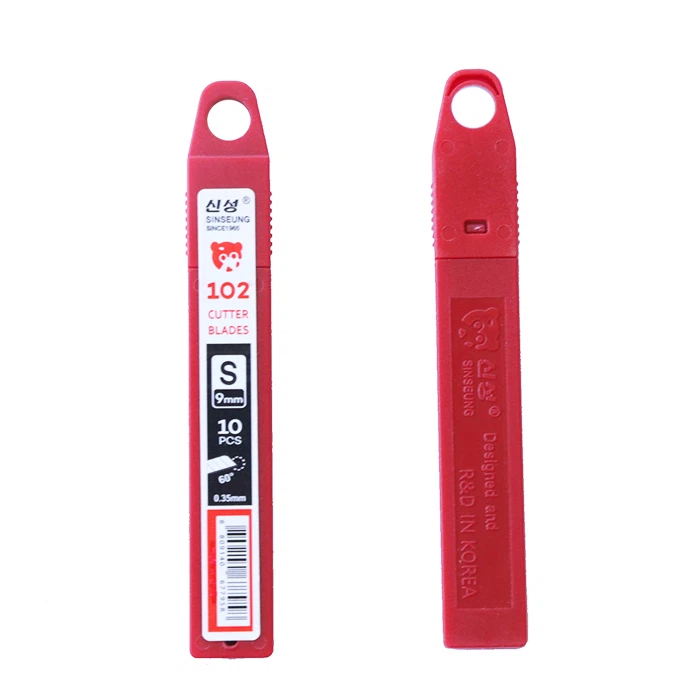
Before we discuss the lifespan, it's important to understand what cutter snap off blades are. These blades are designed with a series of pre - scored sections that allow users to break off a dull or damaged section, revealing a fresh, sharp edge. They are commonly used in a variety of applications, such as cutting vinyl, paper, cardboard, wallpaper, and paint protection film (PPF).
There are different types of cutter snap off blades available on the market, each tailored to specific tasks. For instance, the Snap-off Blade For PPF is engineered to make precise cuts on paint protection films without causing damage. The Cutter Snap Off Blade is a more general - purpose blade suitable for a wide range of cutting jobs, while the Wallpaper Snap Off Blade is optimized for wallpaper installation and removal.
Factors Affecting the Lifespan of Cutter Snap Off Blades
Material of the Blade
The material from which the blade is made is one of the most significant factors affecting its lifespan. High - quality cutter snap off blades are typically made from high - carbon steel or carbide - tipped steel. High - carbon steel blades are known for their sharpness and durability. They can withstand a certain amount of wear and tear before becoming dull. Carbide - tipped blades, on the other hand, are even more resistant to wear. The carbide tip retains its sharpness for a longer period, especially when cutting hard or abrasive materials. However, carbide - tipped blades are generally more expensive than high - carbon steel blades.
Type of Material Being Cut
The material you're cutting has a direct impact on the blade's lifespan. Soft materials like paper and thin vinyl put less stress on the blade, allowing it to stay sharp for a relatively long time. For example, when cutting standard printer paper, a single edge of a cutter snap off blade can make dozens or even hundreds of cuts before it needs to be snapped off.
In contrast, cutting hard or abrasive materials such as thick cardboard, fiberglass, or metal foils will quickly dull the blade. These materials cause more friction and wear on the blade edge, reducing its lifespan significantly. When cutting PPF, which is a relatively tough and sticky material, the blade may become dull after a few meters of cutting, depending on the quality of the blade and the cutting technique.
Cutting Technique
Proper cutting technique is crucial for extending the lifespan of a cutter snap off blade. Applying too much pressure while cutting can cause the blade to wear out faster. Instead, it's better to let the sharpness of the blade do the work. A smooth, steady cutting motion is also important. Jerky or uneven cuts can put unnecessary stress on the blade, leading to premature dulling or even chipping.
Additionally, using the correct blade angle can make a big difference. For most cutting tasks, a blade angle of around 15 - 30 degrees is optimal. This angle allows the blade to cut cleanly through the material without excessive force.
Frequency of Use
The more frequently a blade is used, the shorter its lifespan will be. If you're using a cutter snap off blade for a high - volume cutting job, such as in a manufacturing or large - scale installation setting, the blade will naturally wear out more quickly compared to occasional use in a home DIY project.
Estimating the Lifespan
It's difficult to give an exact number for how long a cutter snap off blade will last, as it depends on the factors mentioned above. However, we can provide some general estimates.
For light - duty use, such as occasional paper or thin vinyl cutting at home, a single edge of a high - quality cutter snap off blade can last for several weeks or even months. If you're using it for a few minutes each week, you may only need to snap off a new edge every few months.
In a medium - duty scenario, like cutting wallpaper or medium - thickness cardboard on a regular basis (a few hours of cutting per week), a single edge might last for a few days to a week. You may need to snap off a new edge every few days to maintain a sharp cut.
For heavy - duty applications, such as continuous cutting of PPF or thick fiberglass in a professional installation or manufacturing environment, a single edge could become dull within an hour or less of use. In these cases, it's common to snap off new edges frequently throughout the day.
Tips for Extending the Lifespan
Blade Storage
Proper storage of cutter snap off blades is essential. When not in use, the blades should be stored in a dry, clean place. Moisture can cause the blade to rust, which will significantly reduce its lifespan. You can use blade holders or storage cases specifically designed for cutter snap off blades to protect them from damage and environmental factors.
Regular Inspection
Regularly inspecting the blade for signs of wear or damage can help you extend its lifespan. Look for chips, nicks, or excessive dullness. If you notice any of these issues, snap off the damaged section immediately to prevent further deterioration of the blade.
Using the Right Blade for the Job
As mentioned earlier, using the appropriate blade for the material you're cutting is crucial. Using a general - purpose blade on a tough, abrasive material will lead to premature wear. Make sure to select the right blade, such as the Snap-off Blade For PPF for PPF cutting or the Wallpaper Snap Off Blade for wallpaper work.

Conclusion
The lifespan of a cutter snap off blade is influenced by multiple factors, including the blade material, the type of material being cut, the cutting technique, and the frequency of use. By understanding these factors and following the tips for extending the blade's lifespan, you can get the most out of your cutter snap off blades.
As a supplier of high - quality cutter snap off blades, we are committed to providing products that offer excellent durability and performance. Whether you're a professional tradesperson or a DIY enthusiast, we have the right blade for your needs. If you're interested in learning more about our products or discussing your specific cutting requirements, we encourage you to reach out to us for procurement and further discussions. We look forward to serving you and helping you find the best cutter snap off blade solutions for your projects.
References
- Machinery's Handbook: A comprehensive reference for mechanical engineering and manufacturing, which provides in - depth information on cutting tools and their performance.
- Cutting Tool Engineering: A trade magazine that covers the latest research and developments in cutting tool technology, including cutter snap off blades.