

Hey there! As a supplier of art snap off blades, I often get asked about the thickness of these nifty tools. So, let's dive right in and explore what the deal is with the thickness of an art snap off blade.
First off, why does the thickness matter? Well, it's all about the performance and the specific tasks these blades are designed for. Different thicknesses can offer different levels of durability, flexibility, and cutting precision.
Let's start with the basics. Art snap off blades come in a variety of thicknesses, and the most common ones range from around 0.2mm to 0.5mm. Thinner blades, say around 0.2mm - 0.3mm, are super flexible. This flexibility makes them ideal for tasks that require delicate and precise cuts. For example, if you're working on detailed art projects like paper crafting, cutting thin films, or doing intricate stenciling, a thinner blade is your best bet. It can easily follow the curves and fine lines of your design without breaking or causing too much damage to the surrounding material.
On the other hand, thicker blades, in the 0.4mm - 0.5mm range, are more robust and durable. They're better suited for tougher jobs. If you're cutting through thicker materials like cardboard, vinyl, or even some light - duty plastics, a thicker blade will hold up better. It won't bend or snap as easily under pressure, allowing you to make clean, straight cuts without having to worry about the blade giving out on you.
Now, let's talk about some of the specific types of art snap off blades and how their thickness plays a role.
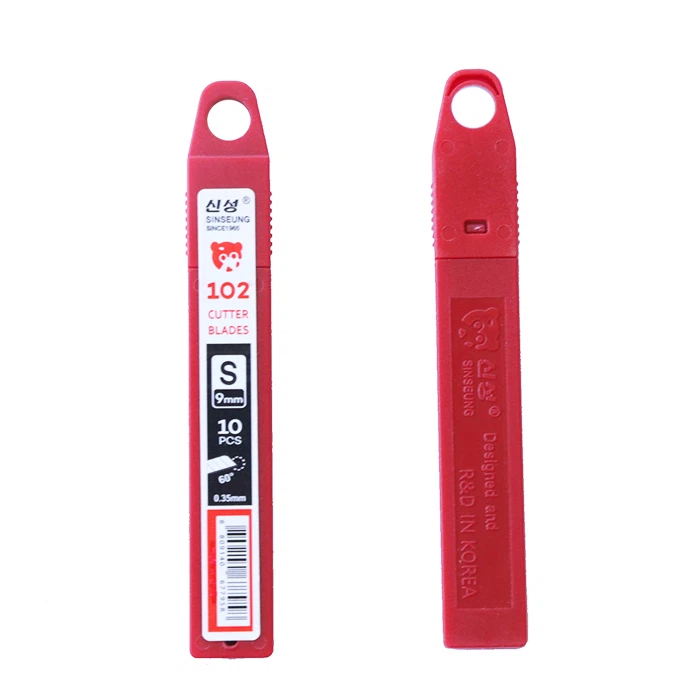
The 9mm Snap Off Blades are quite popular. These blades usually come in a range of thicknesses to cater to different needs. The thinner 9mm snap off blades are great for precision work, as I mentioned earlier. They can be used in a variety of cutting tools, like snap off knives, and are often used by artists, crafters, and DIY enthusiasts. The thicker 9mm blades, however, are more commonly used in industrial or heavy - duty crafting settings where they need to cut through tougher materials.
Another type is the Wallpaper Snap Off Blade. When it comes to wallpaper installation and removal, the thickness of the blade is crucial. A thinner blade is preferred for cutting wallpaper. It can make clean, sharp cuts without tearing the delicate wallpaper material. You can easily trim the edges, cut around outlets, and make precise cuts to fit the wallpaper perfectly on the wall. A thicker blade might be too aggressive and could cause the wallpaper to rip or tear, which is definitely not what you want when you're trying to create a smooth, professional - looking finish.
The Cutter Snap Off Blade is a versatile option. These blades are designed to work with different types of cutters, and their thickness can vary depending on the intended use. Thinner cutter snap off blades are suitable for light - duty cutting tasks, while the thicker ones are better for more heavy - handed cutting jobs.
It's also important to note that the material of the blade can affect how the thickness performs. Most art snap off blades are made from high - carbon steel or stainless steel. High - carbon steel blades are known for their sharpness and edge retention. They can be made in a variety of thicknesses and are great for general - purpose cutting. Stainless steel blades, on the other hand, are more resistant to corrosion, which makes them a good choice for use in humid or wet environments. Whether it's a thin or thick stainless steel blade, you can expect it to last longer without rusting.
When choosing the right thickness of an art snap off blade, you also need to consider the handle or the tool you'll be using it with. Some tools are designed to work best with a specific range of blade thicknesses. Using a blade that's too thick or too thin for your tool can affect the cutting performance and even the safety of your work. For example, if a tool is designed for a thinner blade and you try to use a thick one, it might not fit properly, and you could end up with a wobbly blade that's difficult to control.
In addition to the practical aspects of thickness, there's also the cost factor. Generally, thinner blades are less expensive than thicker ones. This is because they use less material during the manufacturing process. However, you need to balance the cost with the quality and the specific requirements of your project. Sometimes, spending a little more on a thicker, more durable blade can save you money in the long run, especially if you're doing a lot of heavy - duty cutting.
So, to sum it up, the thickness of an art snap off blade is a crucial factor that determines its performance, durability, and suitability for different tasks. Whether you're an artist, a crafter, or someone in an industrial setting, understanding the right thickness for your needs is essential.
If you're in the market for art snap off blades and have any questions about the thickness or which type is right for you, don't hesitate to reach out. We're here to help you make the best choice for your projects. Whether you need a thin blade for delicate art work or a thick one for heavy - duty cutting, we've got you covered.
References

- General knowledge of art snap off blade manufacturing and usage
- Industry standards and best practices for snap off blade selection