

Hey there! As a supplier of wallpaper cutter knives, I totally get that dealing with a rusty knife can be a real bummer. Rust not only makes your knife look bad but can also mess with its performance. So, let's dive into what you can do if your wallpaper cutter knife gets rusty.
Understanding Why Your Knife Gets Rusty
First things first, let's talk about why rust happens. Rust is basically the result of iron in the knife's blade reacting with oxygen and water. When your knife is exposed to moisture, like if it's left in a damp place or gets wet and isn't dried properly, the iron starts to oxidize. This oxidation process forms iron oxide, which we know as rust.
If you're using your Wallpaper Cutter Knife in a humid environment, say a bathroom during a wallpaper installation, or if you accidentally drop it in a puddle, the chances of rusting go up. Also, if you don't clean your knife after use, dirt and moisture can stick to the blade, accelerating the rusting process.
How to Tell if Your Knife is Rusty
Spotting rust on your wallpaper cutter knife is usually pretty easy. You'll see small reddish - brown spots on the blade. In more severe cases, the whole blade might look discolored and have a rough texture. If you notice that the knife isn't cutting as smoothly as it used to, or if it's getting stuck when you're trying to cut through wallpaper, rust could be the culprit.
What to Do When Your Knife Gets Rusty
1. Cleaning the Rust
- Vinegar Soak: One of the easiest ways to remove rust is to soak the blade in vinegar. Vinegar is acidic, and it can dissolve the rust. Just pour some white vinegar into a container that's big enough to hold the blade. Make sure the blade is fully submerged. Let it soak for a few hours or even overnight, depending on how bad the rust is. After soaking, take the blade out and use a soft brush, like an old toothbrush, to gently scrub off the loosened rust. Rinse the blade thoroughly with water and dry it immediately with a clean cloth.
- Baking Soda Paste: Another option is to make a paste with baking soda and water. Mix enough baking soda with water to form a thick paste. Apply the paste to the rusty areas of the blade using a cloth or a brush. Let it sit for about 15 - 20 minutes. Then, use the soft brush to scrub the paste off, along with the rust. Rinse and dry the blade well.
2. Preventing Further Rust
- Oil the Blade: Once you've removed the rust, it's important to prevent it from coming back. One way to do this is to oil the blade. You can use a light machine oil or even cooking oil in a pinch. Just put a few drops of oil on a cloth and rub it all over the blade. The oil creates a barrier that keeps moisture away from the metal.
- Store Properly: Where you store your Wallpaper Knife matters a lot. Keep it in a dry place. If possible, use a knife case or a sheath to protect it from dust and moisture. Avoid leaving it in a toolbox where it might get wet or be exposed to other tools that could scratch the blade and make it more prone to rusting.
3. When to Replace the Blade
Sometimes, the rust damage might be too severe, and the blade can't be salvaged. If the blade is warped, has deep pits from the rust, or if it's still not cutting well after you've tried to remove the rust, it's probably time to replace the blade. Most wallpaper cutter knives have replaceable blades, which is a great feature. You can easily swap out the old, rusty blade for a new one and get back to work.
Why Choosing the Right Knife Matters
As a supplier, I know that the quality of the knife you choose can make a big difference in terms of rust resistance. Our Wallpaper Cutter Knife is made from high - quality materials that are designed to be more resistant to rust. We use special coatings on the blades that help protect them from moisture and oxidation.
When you're in the market for a wallpaper cutter knife, look for one that's made from stainless steel. Stainless steel contains chromium, which forms a protective layer on the surface of the metal, preventing rust. Also, consider the brand and the reputation of the supplier. A good supplier will stand behind their products and offer high - quality knives that are built to last.

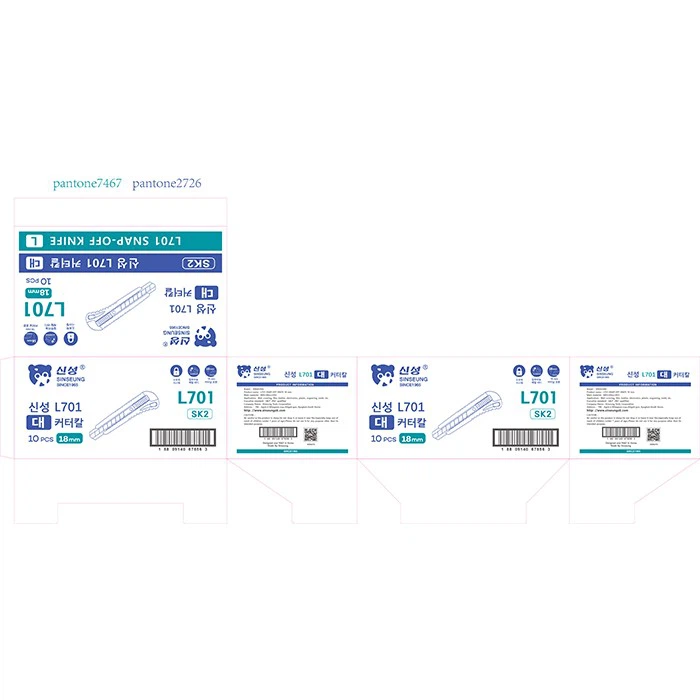
Benefits of Our Wallpaper Cutter Knives
Our knives aren't just resistant to rust; they also offer other great features. They have sharp blades that can cut through wallpaper easily, saving you time and effort. The handles are designed for comfort, so you can hold the knife for long periods without getting tired. And they're durable, which means you won't have to replace them often.
Whether you're a professional wallpaper installer or a DIY enthusiast, our Construction Cutter Knife is a great choice. It's versatile enough to be used for other construction tasks as well, like cutting drywall or cardboard.
Conclusion
Dealing with a rusty wallpaper cutter knife can be a hassle, but with the right knowledge and tools, you can get your knife back in working condition. Remember to clean and dry your knife after each use, store it properly, and take steps to prevent rust. And if you're in the market for a new knife, consider our high - quality options.
If you're interested in purchasing our wallpaper cutter knives or have any questions about our products, feel free to reach out to us. We're always happy to help you find the right tool for your needs and can offer great deals on bulk purchases. Let's work together to make your wallpaper installation and construction projects a success!
References
- "The Chemistry of Rust" - General chemistry textbooks
- "Tool Maintenance Guide" - Various DIY and construction magazines