

Hey there, fellow construction enthusiasts! If you're in the construction game, you know just how important it is to have a reliable construction knife at your side. A sharp blade is the key to making clean, precise cuts, whether you're working on drywall, cutting insulation, or trimming wallpaper. But here's the thing: over time, that trusty blade is gonna get dull, and that's when you'll need to swap it out for a fresh one. In this blog post, I'm gonna walk you through the process of replacing the blade of a construction knife, step by step. As a construction knife supplier, I've seen it all, and I'm here to make sure you can do this job safely and efficiently.
Let's start by talking about the types of construction knives out there. There are a few common ones that you'll likely come across on the job site. One popular option is the Construction and Wallpaper Knife. This bad boy is versatile and can handle a variety of tasks, from cutting through tough materials to delicate wallpaper work. Another great choice is the 18mm Snap Off Utility Knife. With its snap-off blade feature, you can easily break off a dull section to reveal a fresh, sharp edge. And then there's the Wallpaper Utility Knife, which is specifically designed for those precision wallpaper cutting jobs.
Now, before we dive into the blade replacement process, safety first, folks! You're dealing with a sharp blade, so you wanna take some precautions. Make sure you're wearing a pair of safety gloves to protect your hands from any accidental cuts. Also, find a clean, well-lit area to work in. You don't want to be fumbling around in the dark or on a messy surface.

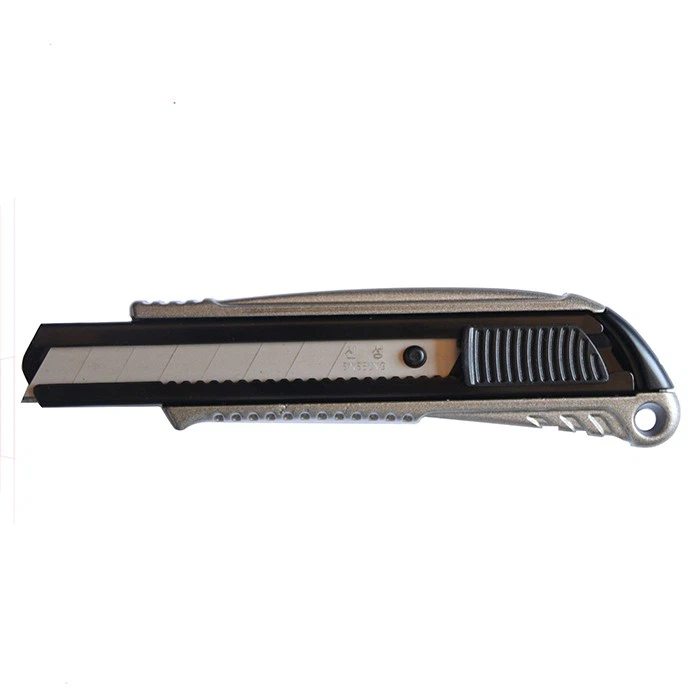
Step 1: Gather Your Tools
The good news is that you don't need a whole bunch of fancy tools to replace the blade of a construction knife. All you really need is a new blade that's compatible with your knife. You can usually find these at your local hardware store or order them online. Some knives might require a small screwdriver to open up the blade housing, so check your knife's manual to see if that's the case.
Step 2: Prepare Your Knife
First, you gotta make sure the knife is turned off or in a safe position. If it's a retractable knife, retract the blade all the way. This will prevent any accidental cuts while you're working on it. If your knife has a locking mechanism, engage it to keep the blade from moving around.
Step 3: Remove the Old Blade
The method for removing the old blade depends on the type of knife you have. For a snap-off utility knife, it's usually pretty straightforward. There's often a button or a lever that you can press to release the blade. Once you press it, the old blade should slide out easily. Just be careful when you're handling the old blade, as it's still sharp.
If you have a knife that uses a screw to hold the blade in place, you'll need to use your small screwdriver to loosen the screw. Once the screw is loose, you can gently lift the old blade out of the knife. Again, be careful not to cut yourself.
Step 4: Insert the New Blade
Now comes the exciting part – putting in the new blade! Take your new blade and make sure it's the right size and shape for your knife. For a snap-off knife, line up the blade with the slot in the knife and slide it in until it clicks into place. You should feel a little bit of resistance, but it should go in smoothly.
If you're working with a screw-type knife, place the new blade in the slot and then use your screwdriver to tighten the screw. Make sure the blade is secure, but don't over-tighten it, or you might damage the knife.
Step 5: Test the Knife
Once you've inserted the new blade, it's time to give it a test run. If your knife is retractable, extend the blade and make sure it moves smoothly in and out. Try making a few test cuts on a piece of scrap material. If the cuts are clean and easy, then you're good to go! If you notice any issues, like the blade not cutting properly or feeling loose, you might need to double-check that it's installed correctly.
Tips for Blade Replacement
- Keep Spare Blades Handy: It's always a good idea to have a few extra blades on hand. That way, you can quickly replace a dull blade without having to run to the store.
- Dispose of Old Blades Properly: Old blades are sharp and can be dangerous. Make sure you dispose of them in a proper sharps container. You can usually find these at your local pharmacy or hardware store.
- Clean Your Knife Regularly: After replacing the blade, take a few minutes to clean your knife. Wipe down the handle and the blade housing to remove any dirt or debris. This will help keep your knife in good working condition.
As a construction knife supplier, I know how important it is to have a reliable knife on the job site. If you're in the market for a new construction knife or need to stock up on blades, we've got you covered. We offer a wide range of high-quality construction knives, including the Construction and Wallpaper Knife, 18mm Snap Off Utility Knife, and Wallpaper Utility Knife. Our products are designed to meet the needs of professional contractors and DIYers alike.
If you're interested in learning more about our products or would like to discuss a potential purchase, don't hesitate to reach out. We're here to help you find the right tools for your job. Whether you're working on a small home project or a large commercial construction site, we've got the knives and blades you need to get the job done right.
References
- General construction safety guidelines from industry standards
- Knife manufacturer's manuals for blade replacement instructions