

When it comes to gardening, having the right tools is essential, and garden shears are among the most fundamental. As a garden shears supplier, I often get asked about the average lifespan of a pair of garden shears. This blog post aims to explore this topic in detail, considering various factors that influence the longevity of garden shears.
Factors Affecting the Lifespan of Garden Shears
Quality of Materials
The materials used in the construction of garden shears play a significant role in determining their lifespan. High - quality steel, such as carbon steel or stainless steel, is commonly used for the blades. Carbon steel blades are known for their sharpness and ability to hold an edge well. However, they are more prone to rust if not properly maintained. On the other hand, stainless steel blades are corrosion - resistant, which can extend their lifespan, especially in humid or wet gardening conditions.
The handles of garden shears also matter. Ergonomic handles made from durable materials like rubber - coated plastic or hardwood can withstand repeated use and provide a comfortable grip. Cheaper materials may crack or wear out quickly, reducing the overall lifespan of the shears.
Frequency of Use
How often you use your garden shears is another crucial factor. If you are an avid gardener who uses the shears daily for pruning, trimming, or deadheading, they will experience more wear and tear compared to someone who only uses them occasionally. Frequent use can cause the blades to dull faster and the moving parts to loosen over time.
Maintenance and Care
Proper maintenance can significantly extend the lifespan of garden shears. After each use, it is important to clean the blades to remove dirt, sap, and plant debris. This can prevent the build - up of substances that may corrode the blades. A simple wipe with a clean, dry cloth is usually sufficient. For more stubborn dirt, you can use a mild soap and water solution.

Regular sharpening is also essential. Dull blades not only make cutting more difficult but also increase the stress on the shears, potentially leading to damage. You can use a sharpening stone or a specialized blade sharpener to keep the blades in top condition. Additionally, lubricating the pivot point of the shears can ensure smooth operation and prevent rusting of the moving parts.
Type of Gardening Tasks
The type of gardening tasks you perform with the shears can impact their lifespan. Cutting through thick branches or tough stems puts more strain on the blades and the overall structure of the shears compared to trimming soft foliage. If you frequently tackle heavy - duty tasks, you may need a more robust pair of shears or consider using additional tools like loppers for larger branches.
Average Lifespan Estimates
Based on the factors mentioned above, it is difficult to give a precise average lifespan for a pair of garden shears. However, with proper care and under normal use conditions, a good - quality pair of garden shears can last anywhere from 5 to 15 years.
For light - duty use, such as occasional trimming of small plants in a home garden, a mid - range pair of shears may last 5 to 10 years. These shears are typically made from decent quality materials and can withstand the relatively low - stress tasks.
If you are a professional gardener or have a large garden that requires daily maintenance, investing in high - end garden shears is recommended. These shears are usually made from premium materials and are designed to handle heavy - duty use. With proper maintenance, they can last 10 to 15 years or even longer.
Extending the Lifespan of Garden Shears
Here are some additional tips to help you get the most out of your garden shears:
- Store Properly: When not in use, store the shears in a dry place. Hanging them on a pegboard or storing them in a toolbox can prevent them from getting damaged.
- Avoid Overloading: Do not use the shears to cut materials that are beyond their capacity. If you need to cut thick branches, use appropriate tools like loppers or saws.
- Inspect Regularly: Check the shears for any signs of damage, such as loose handles, bent blades, or worn - out pivot points. Address any issues promptly to prevent further damage.
Complementary Garden Tools
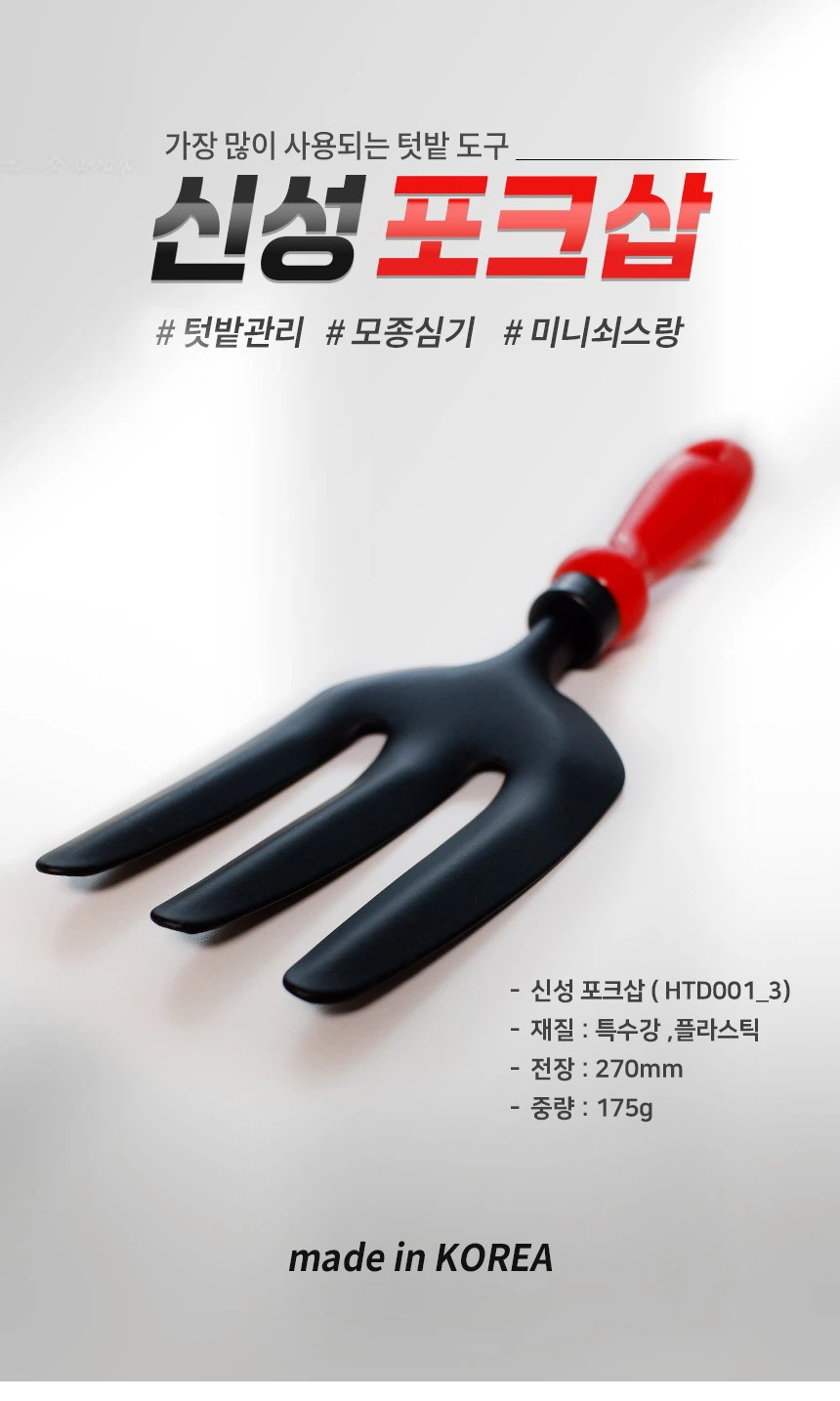
In addition to garden shears, there are other useful garden tools that can enhance your gardening experience. For example, the Garden Weed Fork is great for removing weeds from the root, while the Dual Headed Weeding Tool offers versatility for different types of weeding tasks. The Garden Shovel is essential for digging, planting, and moving soil.
Conclusion
As a garden shears supplier, I understand the importance of providing high - quality tools that last. By considering the factors that affect the lifespan of garden shears and following proper maintenance practices, you can ensure that your shears serve you well for many years. Whether you are a casual gardener or a professional, investing in a good pair of shears and taking care of them is a wise decision.
If you are interested in purchasing garden shears or other garden tools, we are here to assist you. Our range of products is designed to meet the needs of different gardeners, from beginners to experts. Contact us to discuss your requirements and start your journey towards a more enjoyable gardening experience.
References
- "The Complete Guide to Gardening Tools" by Gardening Expert Press
- "Tool Maintenance for Gardeners" by Green Thumb Publications